
Have you ever looked around your home and felt like something just isn’t right? Perhaps your living space feels cramped or outdated, or maybe the décor no longer matches your evolving taste. You’re not alone! Many people face these challenges, whether it’s making a home feel more functional or giving it a fresh look that brings comfort and joy. But when it comes to making changes, it’s important to recognise that a home makeover is more than just a quick update. It’s a big decision that impacts both your daily living and the long-term comfort of your home.
A makeover isn’t just about updating a few pieces of furniture or splashing a fresh coat of paint on the walls. It’s about reimagining how you live, how your space functions, and how it represents you. Whether you’re considering an overhaul to increase the value of your property, improve your lifestyle, or simply to fall in love with your space again, this process requires careful thought and planning. But, when done right, a home makeover can completely transform the way you experience your environment – it’s your home, after all!
In this guide, we’ll walk you through the entire home makeover process – from assessing your needs and setting a budget to choosing the right interior designer and creating your dream space. You’ll learn how to define your style, work within your financial boundaries, and make decisions that will not only enhance the look of your home but also its functionality. By the end, you’ll be armed with all the knowledge you need to confidently take the plunge into a successful home makeover journey.
Let’s get started.
Assessing Your Needs and Budget

Before you start tearing down walls or choosing paint colours, it’s essential to take a step back and truly evaluate your needs, desires, and budget. A home makeover can quickly spiral out of control if you don’t have a clear plan in place. By taking the time to assess your goals and finances, you can ensure your makeover stays on track, within your budget, and aligned with your long-term needs.
1. Define Your Goals
The first step in any successful home makeover is understanding exactly what you want to achieve. Is your goal to update an outdated room with a fresh modern aesthetic? Or are you trying to address functionality issues, like creating more storage space or improving the flow of your home? Perhaps you want to tackle a specific area, like your kitchen or living room, and make it more comfortable or better suited to your lifestyle.
Knowing what you want from the outset will guide every decision throughout the process, from the overall design style to choosing furniture and accessories. This clarity will also help you communicate more effectively with your designer, ensuring you get a result that truly reflects your vision.
2. Establish Your Priorities
Once you’ve defined your overall goals, it’s time to prioritise the areas of your home that need attention. Home makeovers can be overwhelming, especially if you try to tackle everything at once. The trick is to identify the spaces that will have the most significant impact on your daily life or the areas that are most crucial to your home’s function.
For instance, if you have a growing family and need more storage, updating your living room might not be the top priority – instead, consider revamping your kitchen or adding built-in storage solutions. On the other hand, if you entertain guests often and your living space feels cramped or outdated, focusing on the living or dining areas might take precedence. Establishing which areas need the most attention allows you to allocate your budget more effectively and focus on the most important parts of the project.
3. Set a Realistic Budget
A common pitfall in home makeovers is not setting a realistic budget. Without proper planning, you might find yourself overspending or, conversely, cutting corners and compromising on quality. It’s crucial to be honest about how much you’re willing to spend, keeping in mind not only the aesthetic and functional upgrades but also hidden costs like labour, materials, and design costs.
Make sure to also leave a buffer for unexpected expenses. Even with careful planning, surprises can arise, such as hidden plumbing or electrical issues. Having extra funds available will keep you from making rushed decisions or going over budget when the unexpected happens.
4. Plan for the Long Term
Finally, when assessing your needs and budget, think about the long-term impact of your makeover. While it’s tempting to focus on short-term improvements, consider how the changes you make today will affect your home’s future value and usability. This is particularly important if you’re making significant structural changes or investing in custom furniture.
By planning for the long term, you ensure that your home makeover is not only a reflection of your current needs but also an investment in your home’s future appeal and functionality.
Assessing your needs and budget is a critical first step in any home makeover journey. With a clear roadmap in place, you’ll be well on your way to creating a home that’s stylish, functional, and uniquely yours.
Selecting the Right Interior Design Stylist

Now that you have a clear understanding of your goals, priorities, and budget, the next crucial step is selecting the right interior design stylist or firm to bring your vision to life. A professional stylist can make all the difference in transforming your space into something that’s not only aesthetically pleasing but also practical and aligned with your lifestyle.
Hence, here are some key factors to consider when selecting an interior designer for your home makeover.
1. Research and Reviews
Start by doing thorough research. Look for designers who specialise in the type of transformation you’re envisioning, whether it’s a sleek modern design, a cosy traditional space, or something in between. Check their home styling portfolios to see examples of their past work and get a sense of their style and capabilities. Are they familiar with bespoke furniture, or do they tend to work with more mass-produced items? Reading client reviews and testimonials can also provide insight into their professionalism, communication, and ability to deliver on their promises.
2. Customisation Services
One of the main advantages of working with an interior designer is the opportunity to create a truly unique space with customised furniture. Many designers work with skilled craftsmen to provide bespoke pieces that fit perfectly into your space and suit your style. Custom furniture not only enhances the overall aesthetic but also addresses specific functional needs, like creating storage in tight spaces or designing furniture that’s tailored to your exact requirements.
Look for a designer who offers customisation services, and be sure to discuss how custom furniture might benefit your project. Whether it’s a statement piece like a one-of-a-kind sofa or practical pieces like built-in shelving or custom cabinetry, bespoke furniture can truly elevate your home and make it feel like it was designed just for you.
3. Styling Expertise
Beyond picking out furniture and finishes, a good interior designer will help you curate a cohesive, balanced look for your space. They’ll consider every detail, from the layout and lighting to the colours and textures, ensuring that everything works harmoniously together. A designer with strong styling expertise can help you select the right artwork, lighting fixtures, textiles, and accessories that complement your design while adding personality and flair.
Home stylist in Singapore will also bring a fresh perspective to the table, suggesting ideas you might not have considered. Their expertise can help you avoid common design mistakes, such as overcrowding a space with too much furniture or using colours that clash.
4. Communication and Collaboration
Effective communication is key to any successful design project. You want to work with someone who listens to your ideas and respects your vision while offering their expertise and suggestions. Collaboration is the heart of any design process, and you should feel confident that your designer is working with you, not just for you.
Before committing, have a conversation about your goals, ideas, and concerns. Ensure that you feel comfortable discussing your thoughts and that the designer is open to your input. A good designer will make the process enjoyable and collaborative, guiding you through each step while ensuring that your vision is always front and centre.
Selecting the right interior designer is a crucial step in your home makeover journey. With these tips in mind, you’ll be able to find the perfect partner to help you transform your space into something truly special.
The Design Phase

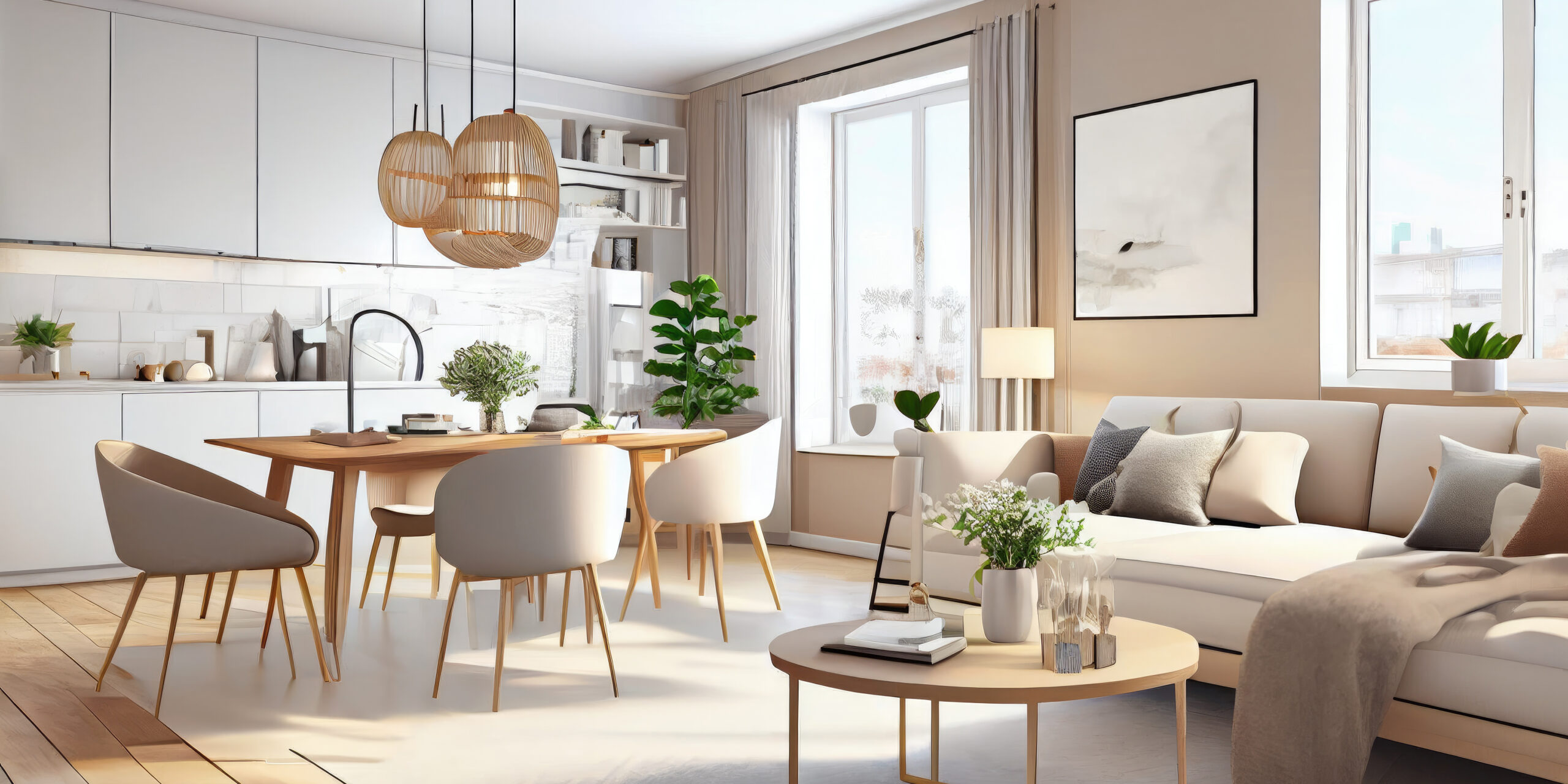
With the right interior designer on board, you’re now ready to dive into the exciting part of the home makeover process – the design phase. Collaborating closely with your designer, you’ll explore a range of styles, materials, layouts, and custom furniture that will create a space so flawless, it could easily be featured in a design magazine!
1. Create a Vision
Before the design phase can truly begin, it’s important to define the vision for your space. What kind of atmosphere do you want to create? Do you envision a cosy, welcoming space, or something more sleek and contemporary? Are you aiming for a timeless design that will look just as good in ten years as it does today, or are you more inclined to explore current trends that reflect your personal style?
Think about the mood you want to evoke in each room. For instance, a living room may call for a relaxed, inviting vibe, perfect for hosting guests or unwinding after a long day, while a home office could be designed for focus and productivity with minimalist furniture and efficient storage solutions. This vision will guide every decision made during the design phase, from furniture choices to colour schemes, ensuring the final result aligns with your expectations.
2. Select Materials and Finishes
One of the most exciting aspects of the design phase is selecting materials and finishes. Whether it’s the texture of the walls, the type of flooring, or the fabric on your furniture, every detail contributes to the overall feel of the space. Your designer will guide you through options that fit your budget and aesthetic preferences, ensuring that the materials chosen are both functional and visually appealing.
Consider the durability and upkeep of materials as well. If you have children or pets, for example, you might want to opt for scratch-resistant finishes or durable fabrics. If sustainability is a priority, your designer can help source eco-friendly materials that align with your values.
3. Incorporate Custom Furniture
Custom furniture is where the magic really happens in the design phase. It’s an opportunity to create pieces that fit your space perfectly, both in terms of size and style. Whether it’s a bespoke dining table that accommodates your family or a unique coffee table that reflects your personality, custom furniture can make a significant impact.
Discuss with your designer how custom pieces can be incorporated into the overall design. These bespoke elements not only add style but also enhance the functionality of your space, ensuring that it works for you in every way possible.
The design phase is a creative process, one that balances aesthetics with practicality, and sets the stage for the rest of your home makeover journey. With clear vision, effective collaboration, and attention to detail, this phase will lay the foundation for a beautiful and functional transformation.
Quick Remodelling Tips

If you’re not ready for a full-scale renovation but still want to breathe new life into your space, there are plenty of quick and easy remodelling tips that can refresh your home without the hassle of major changes. These simple updates can make a big difference, enhancing the look and feel of your space while staying within budget and timeline.
1. Update Lighting Fixtures
One of the easiest ways to add instant character to your space is by updating your lighting fixtures. Swap out outdated or dull light fixtures for more modern designs that reflect your style and enhance the mood of the room. Whether it’s a sleek chandelier, a set of industrial-style pendant lights, or a statement floor lamp, new lighting can drastically change how a room feels and functions.
2. Paint and Refresh Walls
A fresh coat of paint is a simple yet powerful way to revitalise a room. Choose a new colour or finish to breathe life into your walls—no matter if it’s a bold accent wall, a soothing neutral palette, or a rich textured finish. This update doesn’t require major construction but can drastically alter the atmosphere of a space.
3. Replace Hardware
Small hardware changes can have a big impact. Replacing door handles, cabinet knobs, or faucets with stylish, modern alternatives can instantly refresh the look of your furniture and fixtures. These simple updates are budget-friendly but offer a polished, sophisticated appearance.
4. Add Custom Furniture Pieces
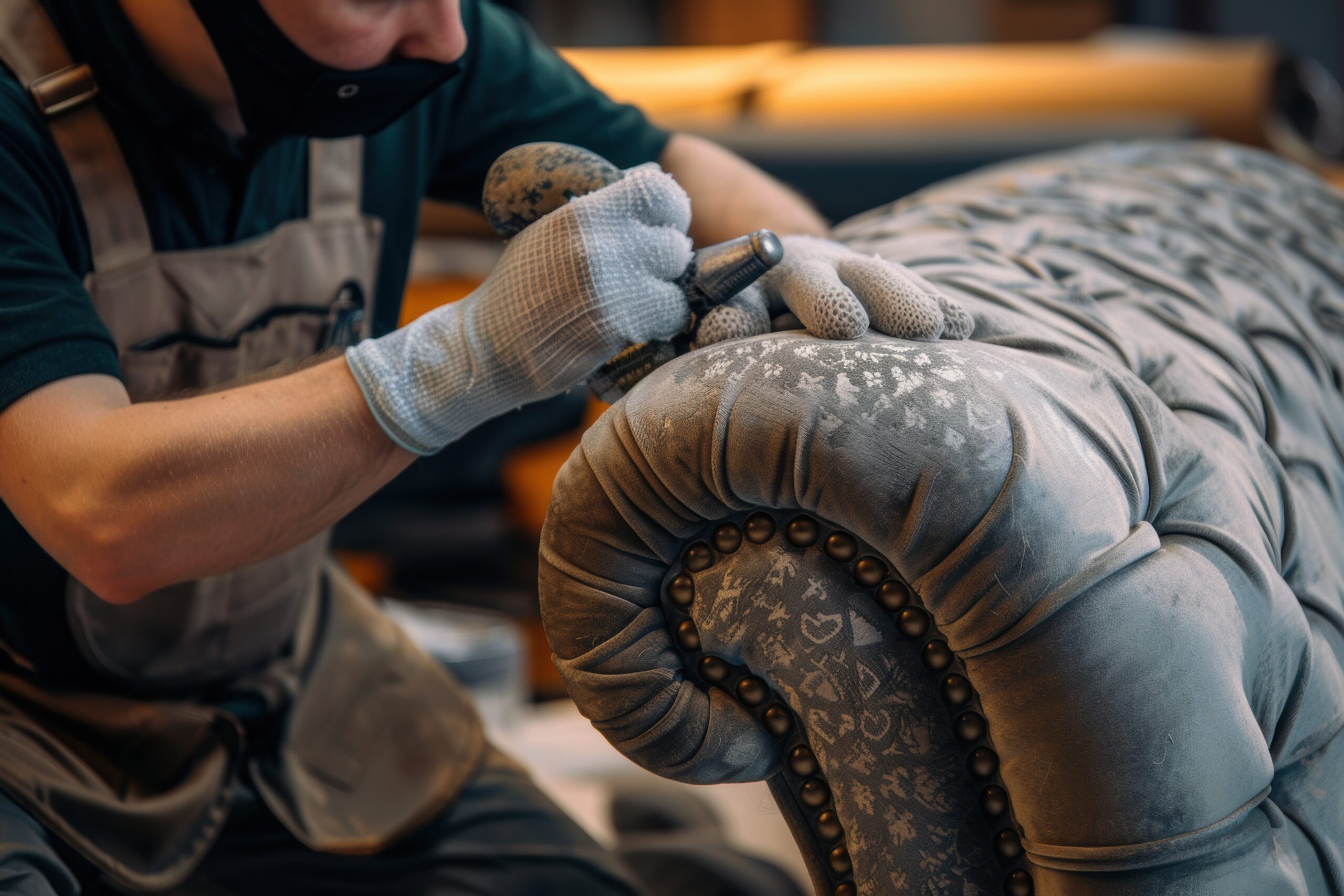
Introducing custom-made furniture is another easy way to elevate your space. Even small, unique pieces like a one-of-a-kind 3 seater sofa or an eye-catching coffee table can make a room feel entirely transformed, adding personality and charm without the need for a full-scale remodel.
5. Enhance with Custom Curtains
Window treatments are often overlooked, but custom curtains can dramatically shift the vibe of a room. Designed to suit your dimensions and decor, they add polish and personality to any room. Go for light sheers to create a soft, airy feel, or opt for structured drapes to bring in warmth, depth, and a touch of elegance. The right curtains not only frame your windows and but also pull the whole room together.
These quick changes are budget-friendly and easy to implement, yet they can leave your home feeling modern, vibrant, and welcoming in no time.
Frequently Asked Questions
1. How do I communicate my vision effectively to an interior designer?
To communicate your vision clearly, start by gathering inspiration. Use mood boards, Pinterest, or magazine clippings to showcase the style, colours, and elements you like. Be open about your needs and preferences, and don’t hesitate to express any concerns. A good designer will listen attentively and ask questions to refine your ideas into a practical design plan.
2. What’s the best way to stay within my home makeover budget?
Start by setting a realistic budget and prioritising your most important furniture and design choices. Work with your designer to find the best materials and furniture that fit within your budget. It’s also wise to leave some room for unforeseen costs, especially when it comes to custom furniture or additional styling advice.
3. How long does a typical home makeover take?
The timeline for a home makeover depends on the scope of the project. Quick updates, like painting or changing light fixtures, can be done in a few days, while selecting custom furniture and curating a cohesive design may take longer. A professional designer can provide you with a detailed schedule to ensure you know exactly what to expect at every stage.
Begin Your Home Makeover with WTP Style
And there you have it, everything you need to know to embark on your very own home makeover journey! Whether you’re dreaming of a complete transformation or simply want to freshen up your space, these steps will guide you in creating a home that reflects your unique style and meets your functional needs. A makeover isn’t just about changing your surroundings—it’s about creating a space that supports your lifestyle and brings you joy every time you walk through the door.
Remember, the key to a successful makeover is thoughtful planning, selecting the right designer, and staying true to what makes you feel at home. So, get ready to turn those dreams into reality and give your space the upgrade it deserves!
At WTP Style, we specialise in crafting bespoke interiors that are as unique as you are. Our experienced decorators will work closely with you to style your home with carefully selected furniture, art, and accessories that reflect your personal taste. From timeless pieces to bold accents, we offer a wide variety of furniture options across different styles, colours, shapes, and forms to perfectly suit your space.
Our styling services also go beyond furniture selection. We provide tailored guidance to help you create a cohesive, well-balanced look that enhances the long-term appeal of your home. With years of expertise and a passion for design, you can trust us to bring your vision to life, ensuring your home is the perfect blend of beauty, comfort, and practicality.
Contact us today and let’s start transforming your space into something extraordinary!