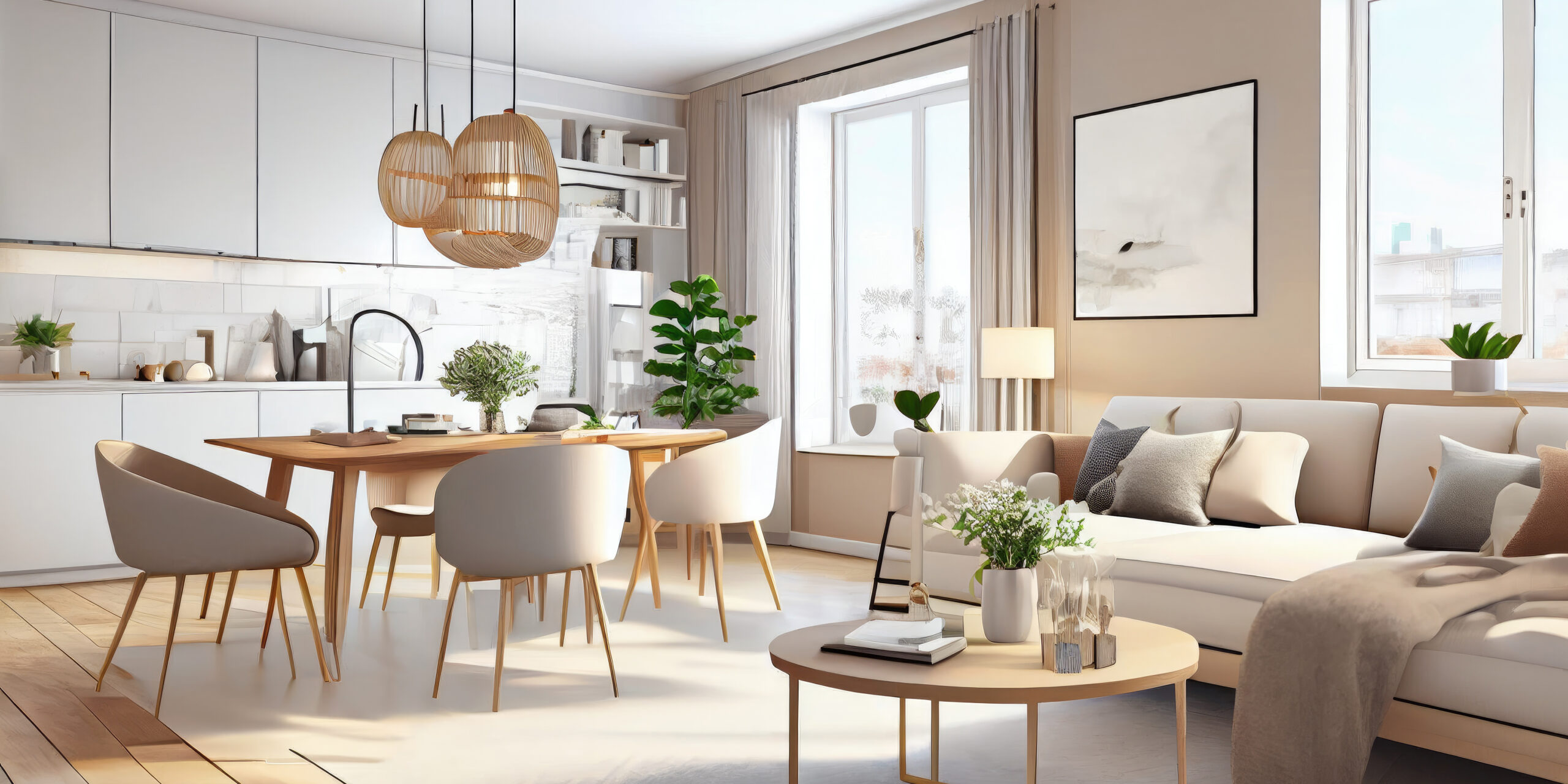

Are you struggling to sell your home despite multiple viewings? Does the space feel a little too “lived-in” to leave a lasting impression on potential buyers? Or maybe you’re unsure how to highlight your property’s best features without breaking the bank on renovations. These are common challenges for homeowners looking to sell their property—and this is where home staging steps in.
Home staging is the art of transforming a property into a buyer’s dream home. By strategically arranging furniture, decor, and lighting, the home stager creates a welcoming and aspirational atmosphere. This process helps potential buyers envision their lives in the space, turning a house into a home that stands out in the competitive real estate market. Beyond just aesthetics, effective home staging can boost your property’s perceived value and significantly reduce the time it stays on the market.
In the next section of this guide, we’ll dive deeper into the transformative power of home staging. We’ll cover the key benefits of home staging, including how it can help you sell faster and for a higher price, as well as the critical role furniture plays in bringing out the best in your home. Whether you’re preparing to sell your own home or working with a professional stager, this guide is your step-by-step companion to maximising your final home’s appeal.
Let’s get started.
Benefits of Home Staging
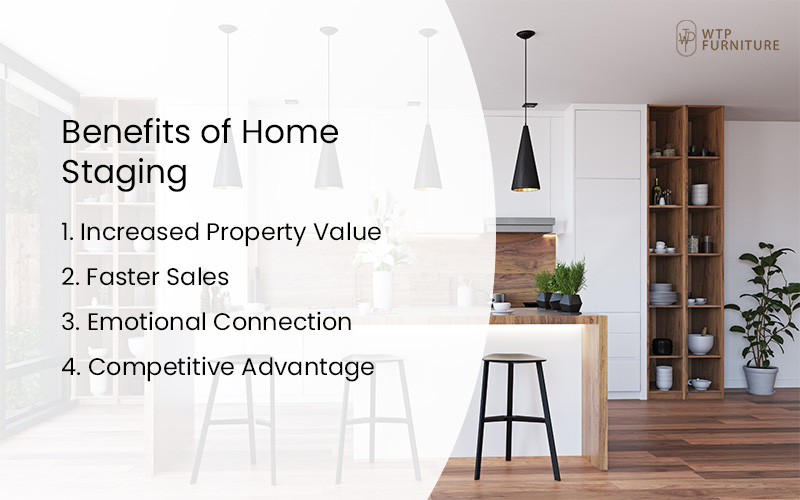
In the current real estate market, a home on sale needs to stand out and catch the eye of potential buyers. A home stager offers a game-changing way to boost the chances of a quicker sale and higher offers. Let’s take a closer look at why staging a home can make all the difference.
1. Increased Property Value
You may have heard the phrase, “You never get a second chance to make a first impression.” Well, when it comes to selling your home, the same principle applies. A home stager allows buyers to see the full potential of your space, even if it means showing them what’s possible beyond the current look.
A home styling service is not only visually appealing but also highlights the property’s best features. Think about it—an expertly arranged living room, a kitchen that feels open and functional, and a cosy, inviting bedroom all create an atmosphere that buyers can’t resist. By emphasising the beauty and functionality of each room, staging increases the perceived value of the property, allowing you to price it higher and secure better offers.
2. Faster Sales
Time is money, and a home stager can help you get your home off the market faster. Homes that are staged often sell up to 73% faster than those that aren’t, according to the National Association of Realtors. The reason? Staging helps buyers imagine themselves living in the space, making it easier for them to picture their future there.
When a home is staged, it doesn’t just look good—it feels like home. This is crucial in driving quicker offers and reducing the days your home sits on the market.
3. Emotional Connection
We’re pretty sure you’ve heard the saying that goes something like this, “home is where the heart is.” For buyers, this couldn’t be more accurate. Home staging taps into this emotional connection by creating an environment that feels welcoming, warm, and inviting.
When potential buyers walk into a staged home, they don’t just see walls and furniture—they feel something. Whether it’s the soft glow of strategically placed lighting, the serene simplicity of a well-arranged bedroom, or the inviting aura of a perfectly styled living room, a home stager helps buyers imagine their own lives in the space. This emotional attachment is key in turning a casual look into a serious interest, and it’s often what drives people to make an offer.
4. Competitive Advantage
In a crowded market, it’s not enough to simply list your home. You need to make it stand out. Homes that are staged have an undeniable competitive advantage, especially in areas where there are many similar properties. With so many options to choose from, buyers can be picky. But when they walk into a staged home, it’s easy for them to see why it’s the one.
Other than just attracting attention, a well-staged home generates more interest. Staging helps your property rise above the rest by showcasing its best features and creating a lasting impression. It makes potential buyers stop scrolling through listings and take a closer look, increasing your chances of multiple offers and ultimately driving up the final sale price.
Ultimately, the benefits are undeniable: from raising your home’s perceived value and speeding up the sale process to fostering that all-important emotional connection with buyers, staging gives you a competitive edge in the current market. Whether you’re hoping for higher offers or a quicker sale, staging is the secret weapon that helps your property stand out, leaving a lasting impression that can ultimately lead to success.
The Role of Furniture in Home Staging
Now, let’s focus on one of the most impactful aspects of home staging—furniture. It’s so much more than just something to fill up space—it’s a powerful tool that can transform the way a room is perceived. Here’s how.
1. Highlighting Space
One of the key goals of a home stager is to make your home feel as spacious and functional as possible. Often, homes can appear smaller or more cluttered than they truly are due to poor furniture arrangement or oversized pieces. Furniture selection and placement can make a world of difference when it comes to how large or open a space feels.
For example, in a smaller living room, a bulky couch can overwhelm the room, making it feel cramped and uninviting. Instead, opting for a sleeker, more streamlined sofa can open up the space, allowing the room’s natural flow to shine. Similarly, using multi-functional furniture like storage ottomans or compact tables can help maximise space, making the room feel larger while serving a practical purpose. Staging with furniture that fits the scale of the room gives buyers the impression that the space is spacious and well-utilised.
2. Creating Cohesion
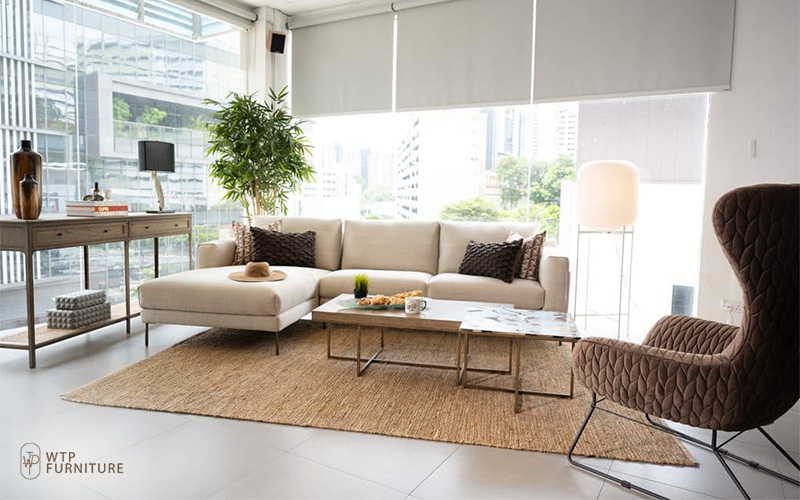
A well-staged home should feel like a cohesive and harmonious environment. Furniture plays a major role in creating that seamless flow from room to room. Using complementary pieces across the home, such as coordinating colours, textures, and styles, can ensure that the space feels like a unified whole.
For instance, selecting a consistent colour palette for your furniture and decor can help tie together different rooms, creating an overall sense of balance. Neutral tones in larger furniture pieces, such as sofas or beds, paired with accent colours and textures in accessories (like throw pillows or rugs) can create a welcoming, polished look without overwhelming the space.
Beyond colour, the style of furniture you choose can also affect the overall feel of your home. A traditional couch in a modern, minimalist home may not work as well as a clean-lined, contemporary piece that fits the design scheme. Creating that cohesion helps buyers see how the home’s various spaces connect and flow, making it more appealing overall.
3. Showcasing Functionality
Staging with the right furniture also helps buyers understand how to utilise each space effectively. By arranging pieces in ways that make sense for each room’s purpose, you give potential buyers a vision for how they can live in the space.
Take the dining room as an example. Placing a table and chairs in the centre, with plenty of room to walk around, helps buyers see it as a functional, inviting space for family dinners or entertaining guests. In a home office, staging with a stylish desk and comfortable chair shows buyers the room’s potential as a productive workspace. When buyers can easily visualise how they would use each room, it makes them feel more confident in their decision to purchase.
4. Setting the Mood
The furniture in your home can also set the mood and tone for each room. Whether you’re aiming for a cosy, relaxed feel or a sleek, modern vibe, the furniture you choose will help create that atmosphere. For example, plush sofas and soft textiles can give a living room a comfortable, welcoming vibe, while a minimalist, contemporary dining table and chairs create a more modern, sophisticated setting.
By strategically choosing furniture that suits the type of buyer you’re hoping to attract, you can set the right tone for each room. Whether it’s the airy elegance of a neutral bedroom or the chic, trendy vibe of a contemporary living room, the right furniture helps evoke the mood you want to create.
By selecting the right furniture pieces, arranging them thoughtfully, and creating a cohesive look, you can elevate your home’s potential and attract the right buyers. When done right, furniture becomes the silent salesperson that helps you close the deal.
So, ready to give home staging a chance? Armed with pro tips from a professional home stager, let’s move on to how you can stage your home effectively, room by room.
How to Stage Different Rooms: Living Room, Kitchen, and Beyond
Each space in your home serves a unique purpose, and effective staging should highlight those functions while appealing to the broadest range of buyers.
1. Living Room: The Heart of the Home
The living room is often the first place buyers envision hosting family gatherings or relaxing after a long day. To make it stand out, a home stager would:
-
Create balance:
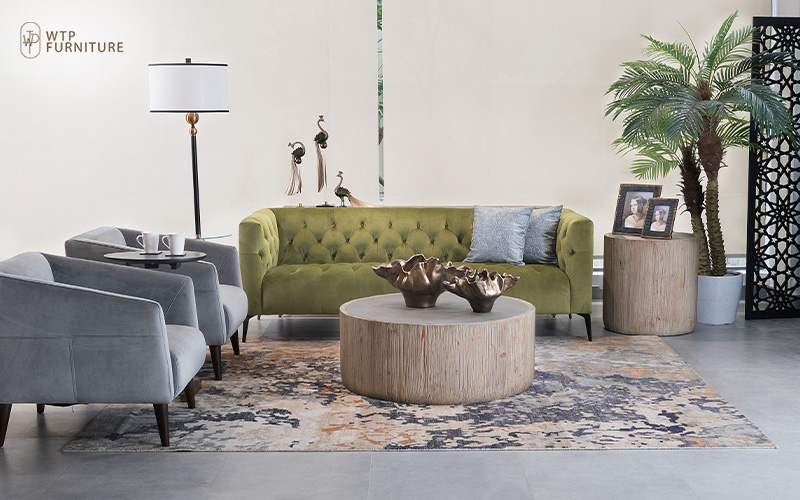
Arrange furniture to encourage conversation. A sofa paired with two armchairs around a coffee table works wonders for a cosy yet functional look.
-
Go neutral:
Use soft, neutral tones for the sofa and walls, adding pops of colour through cushions, rugs, or artwork to create visual interest.
-
Light it up:
Brighten the room with natural light by opening curtains or adding strategically placed lamps for a warm, inviting glow.
2. Kitchen: The Functional Hub
Buyers love a clean, clutter-free kitchen. Here’s what a home stager would do to make this space shine:
-
Declutter countertops:
Remove appliances and personal items to maximise counter space. Showcase only a few tasteful items, like a bowl of fresh fruit or a stylish coffee machine.
-
Add life:
Incorporate greenery, such as potted herbs or a vase of fresh flowers, to create a fresh and welcoming feel.
-
Show off storage:
Organise inside cabinets and drawers—yes, buyers peek! Demonstrating ample and functional storage can be a big selling point.
3. Bedrooms: Your Personal Sanctuary
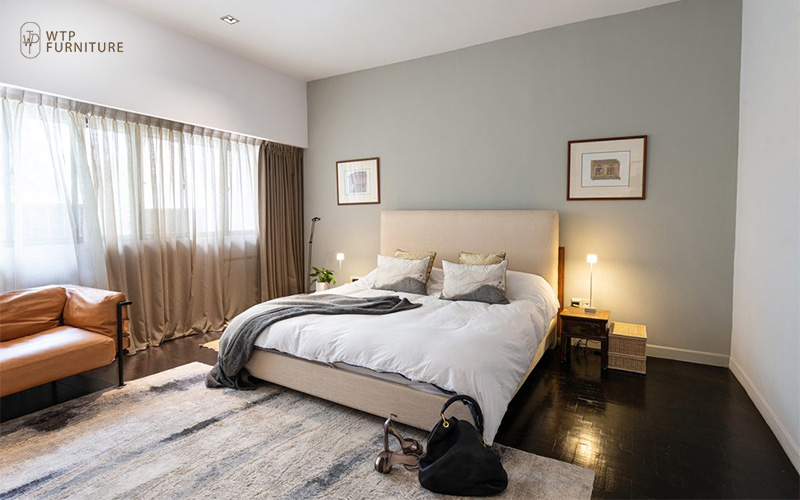
The bedroom should evoke calm and comfort. Some ways to bring out these feelings according to a home stager include:
-
Simplify:
Keep the decor minimal with light-coloured bedding and neatly arranged furniture.
-
Add warmth:
A soft throw blanket, plush pillows, or a bedside lamp can make the room feel more inviting.
-
Depersonalise:
Remove personal items to help buyers envision the room as their own.
4. Bathrooms: A Spa-Like Retreat
Bathrooms might be small, but they’re mighty when it comes to first impressions. Here’s what a home stager would do to bring out its appeal.
-
Keep it pristine:
Spotless surfaces, polished mirrors, and neatly folded towels create an impression of luxury.
-
Upgrade accessories:
Add stylish soap dispensers, candles, and a chic bath mat to elevate the look.
Every room in your home has the potential to dazzle. By focusing on function, balance, and tasteful decor, you can stage each space to speak directly to buyers’ hearts—and imaginations.
Essential Staging Mistakes to Avoid
While the idea of transforming your home can be an exciting experience, the entire staging process can have its own challenges. Just as every detail matters in creating an irresistible space, overlooking key aspects or making certain missteps can derail your efforts. Let’s dive into the common pitfalls and how to sidestep them to ensure your staging is flawless.
1. Overcrowding the Space
It’s tempting to show off every piece of furniture and decor you own, but overstuffed rooms can feel cramped and overwhelming. A cluttered space makes it hard for buyers to visualise how they would use the area. Instead, aim for a minimalist approach, showcasing just enough to highlight functionality without overwhelming the senses.
2. Neglecting Repairs and Maintenance
Buyers have sharp eyes for imperfections. Small issues like chipped paint, loose cabinet handles, or scuffed floors can create an impression of neglect. Address these details before staging. A fresh coat of paint, tightened fixtures, and polished surfaces can breathe new life into your home.
3. Keeping It Too Personal
It’s natural to be attached to family photos, trophies, or memorabilia, but these items can distract buyers. The goal of staging is to create a blank canvas where they can picture their own lives. Keep the decor neutral and universally appealing by removing overly personal touches.
4. Underestimating the Power of Lighting
Dim, poorly lit rooms can feel unwelcoming and smaller than they are. Make the most of natural light by pulling back curtains and keeping windows spotless. For spaces lacking sunlight, add strategically placed lamps to create a warm, inviting glow.
5. Ignoring Odours
Nothing turns buyers off faster than unpleasant smells. Ensure your home smells fresh by eliminating sources of odour, such as pet beds or strong cooking scents. A subtle, clean fragrance—like fresh linen or a light floral—can leave a lasting impression.
By steering clear of these common mistakes, you’ll set your home up for success, presenting a polished and enticing environment that buyers will find hard to resist.
Frequently Asked Questions
1. What is the role of a professional home stager?
A professional professional home stager specialises in preparing properties for sale by enhancing their visual appeal. They assess the home’s strengths and weaknesses, recommending changes in furniture arrangement, decor, and overall presentation. Their goal is to create a welcoming and inviting atmosphere that resonates with potential buyers, making it easier for them to envision themselves in the space.
2. How can I find a reputable professional home stager?
To find a reputable professional home stager, start by asking for recommendations from your real estate agent or friends who have recently sold their homes. You can also search online for local staging companies, checking reviews and testimonials to gauge their effectiveness. Look for stagers with a portfolio showcasing their previous work to ensure their style aligns with your vision.
3. What should I expect during the home staging process?
During the home staging process, a professional home stager will conduct an initial consultation to evaluate your home and discuss your goals. They will then provide a staging plan, which may include furniture rearrangement, decor updates, and other enhancements. The stager will work with you or independently to implement these changes, aiming to transform your home into an attractive space for potential buyers.
Elevate Your Home’s Appeal Today with WTP Style
Turning your property into a buyer’s future dream home is both an art and a strategy, and home staging brings these elements together seamlessly. By understanding the importance of creating a welcoming atmosphere, strategically using furniture, and avoiding common pitfalls, you can maximise your home’s appeal and achieve a faster, more profitable sale. Whether you’re staging a cosy apartment or a sprawling estate, the key lies in presenting the property as a canvas where buyers can envision their future.
But if the thought of doing it all yourself feels overwhelming, don’t worry—you don’t have to go it alone. At WTP Style, our team of home stagers are here to help. From expert home staging services to high-quality furniture rentals, we specialise in transforming spaces into irresistible showcases. Our curated furniture collection spans a range of styles, ensuring your home looks its best and resonates with buyers.
So why wait? Let’s work together to create a stunning first impression that gets results. Contact WTP Style today and discover how we can help you turn your home into a sold sign waiting to happen!