Key Takeaways:
How can quality craftsmanship make furniture more sustainable over time?
- Durable, well-made pieces reduce the need for frequent replacement, lowering overall waste
- Strong construction and upholstery allow furniture to be refreshed instead of discarded
- Customised designs ensure better fit and functionality, preventing early replacement
- Timeless styles remain relevant longer, avoiding trend-driven purchases
- Regular maintenance and reupholstery extend lifespan, supporting long-term usability
Introduction
In today’s homes, sustainability is often associated with materials or recycling. Yet a more grounded and practical approach lies in how furniture is made and how long it lasts. Choosing durable furniture is not only about materials, but how each piece performs through daily use and adapts over time.
For homeowners in Singapore, where compact layouts, humidity, and frequent use place added demands on furniture, durability becomes essential. WTP Furniture supports this by guiding homeowners towards well-constructed sofas and dining tables that are designed for long-term use, reducing unnecessary replacement and improving cost efficiency over time.
Why Does Longevity Matter in Sustainable Furniture?
Durable Pieces Reduce Replacement Cycles
Fast furniture often prioritises short-term convenience, leading to pieces that wear out quickly under regular use. Over time, this creates a cycle of disposal and replacement that contributes to unnecessary waste. In contrast, well-constructed pieces remain structurally reliable and visually consistent for years, making sustainable furniture a practical long-term investment that reduces repeated spending and disposal.
For homeowners in Singapore considering custom furniture, WTP Furniture takes a consultative approach by aligning each piece with real spatial needs and daily routines. A sofa that fits a living area correctly or a dining table proportioned for regular use reduces the likelihood of early replacement, directly lowering waste while improving long-term usability.
Stability Supports Daily Living in Singapore Homes
Furniture in Singapore homes is often used across multiple functions, from hosting guests to everyday relaxation. Durable pieces support these routines without constant adjustment or replacement. This stability helps homeowners avoid frequent purchases, which not only saves cost but also reduces the volume of discarded furniture over time.
How Does Craftsmanship Extend Furniture Lifespan?
Precision Construction Supports Everyday Use
The way furniture is built directly affects how it performs over time. Strong internal structures, carefully finished surfaces, and considered upholstery all contribute to long-term usability. In Singapore’s humid conditions, these details help furniture maintain its integrity despite ongoing exposure to moisture and temperature changes.
WTP Furniture applies long-lasting furniture design across its sofas and dining tables, ensuring that each piece supports consistent, everyday use. This level of craftsmanship reinforces sustainability as a direct outcome of build quality, where fewer replacements are needed across the lifespan of the piece.
Reupholstery as a Planned Lifecycle Approach
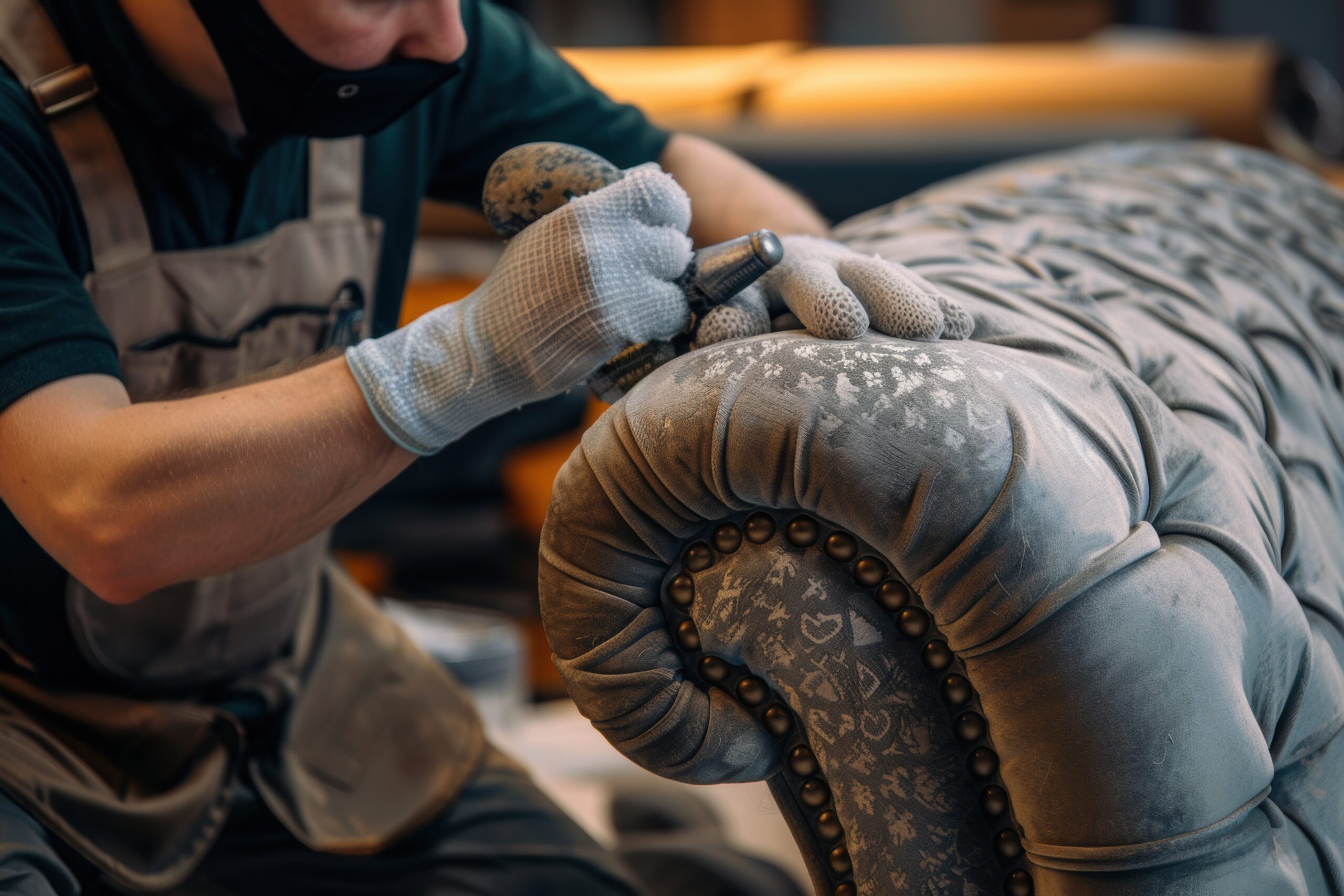
Well-made furniture is designed for continued use, not disposal. Upholstered pieces may show signs of wear over time, but the underlying structure often remains sound. Instead of treating wear as a reason for replacement, WTP Furniture positions reupholstery as a planned stage within the ownership cycle.
Through high-quality upholstery craftsmanship, a clear lifecycle is established: a sofa is selected for durability, used daily, refreshed through reupholstery when needed, and then continues in use for years. This structured progression reduces the need to discard entire pieces and strengthens long-term ownership as a strategy rather than a one-time purchase.
Why Is Customisation Key to Sustainable Living?
Furniture That Fits Reduces Waste
One of the most overlooked aspects of durability is how well furniture fits the space and its intended use. Poorly sized or impractical pieces often lead to dissatisfaction, prompting early replacement. Customisation ensures that furniture aligns with both spatial constraints and lifestyle needs.
Within home styling, WTP Furniture helps homeowners create cohesive layouts where each piece serves a defined function. This reduces impulse purchases and ensures that furniture remains relevant, directly lowering the likelihood of replacement due to mismatch.
Adaptable Designs Support Long-Term Relevance
Homes evolve over time, especially for young couples and growing households. Furniture that adapts to these changes remains relevant longer. WTP Furniture’s approach reflects timeless interior aesthetics, where clean lines and balanced proportions allow pieces to integrate into different layouts and design updates.
This adaptability reduces decision fatigue and prevents unnecessary purchases, as core furniture pieces continue to meet changing needs without being replaced.
Can Timeless Design Really Be Sustainable?
Classic Forms Reduce Trend-Based Replacement
Trends shift quickly, but timeless design maintains its appeal. Neutral palettes and refined silhouettes allow furniture to integrate into different interior styles over time. At WTP Furniture, this is reflected in sofas and dining tables designed with balanced proportions and clean detailing, allowing each piece to remain adaptable as interior preferences evolve. This reduces the need for frequent updates driven by changing aesthetics.
When choosing bedroom furniture in Singapore, this consistency helps maintain a calm environment while allowing each piece to remain usable over the long term.
A Practical Consideration for Homeowners
Well-crafted furniture often involves a higher upfront investment and a more considered selection process. Custom pieces may also require additional time before completion. In Singapore, where homeowners balance budget with long-term value, this encourages more deliberate decisions that prioritise durability, usability, and reduced replacement costs over convenience.
What Role Does Maintenance Play in Sustainability?
Care Preserves Structure and Upholstery
Even well-crafted furniture benefits from regular care. In Singapore homes, frequent seating, shared use, dining activities, and occasional spills place ongoing stress on sofas and tables. Without proper maintenance, upholstery can wear down and surfaces may deteriorate faster, leading to avoidable replacement.
Routine cleaning and upkeep help preserve both structure and appearance, allowing furniture to remain functional for longer. This directly supports our goal of longevity by extending usable lifespan and reducing disposal.
Ongoing Maintenance Prevents Replacement
Neglect accelerates wear, which increases the likelihood of replacing entire pieces instead of maintaining them. Small maintenance actions, such as addressing minor damage early or planning for reupholstery at the right time, help prevent this cycle. This cause-and-effect relationship reinforces sustainability as a practical, everyday commitment rather than a one-time decision.
Conclusion
Sustainability in furniture is shaped by how well each piece is made, how it fits into daily life, and how it is maintained over time. From durable construction and planned reupholstery to thoughtful customisation, these elements work together to reduce unnecessary waste and long-term costs.
WTP Furniture supports this process not only through its sofas and dining tables, but by guiding homeowners as a long-term partner in making informed furnishing decisions. By choosing sustainable furniture that supports both function and longevity, homeowners can create spaces that remain relevant while making more responsible choices over time.
Explore WTP Furniture’s collections to start building a home that is designed to last.