Key Takeaways:
How to clean a fabric couch effectively at home without damaging it
- Start with regular vacuuming to remove dust and prevent debris from settling into the fabric
- Check care labels and fabric type before applying any cleaning method to ensure suitability
- Treat stains early using gentle, low-moisture spot cleaning techniques
- Use baking soda or light methods to manage odours without over-wetting the sofa
- Ensure proper drying and follow consistent maintenance habits to preserve comfort and appearance
Introduction
Your sofa is one of the most-used pieces of furniture in your home, and it naturally reflects daily living. In Singapore’s humid environment, combined with regular use and the occasional spill, even well-crafted fabric sofas can begin to look tired over time. As such, understanding how to clean a fabric couch properly allows you to maintain both its appearance and comfort without over-relying on professional services.
A well-maintained sofa does not require complicated routines. A simple sequence of care, starting with dry cleaning, followed by targeted stain treatment, occasional refreshing, and proper drying, creates a repeatable system that fits easily into everyday life. Preventive habits also play a key role, reducing the need for deeper cleaning over time.
How to clean a fabric couch without damaging the material
Start with a thorough vacuum to remove embedded debris
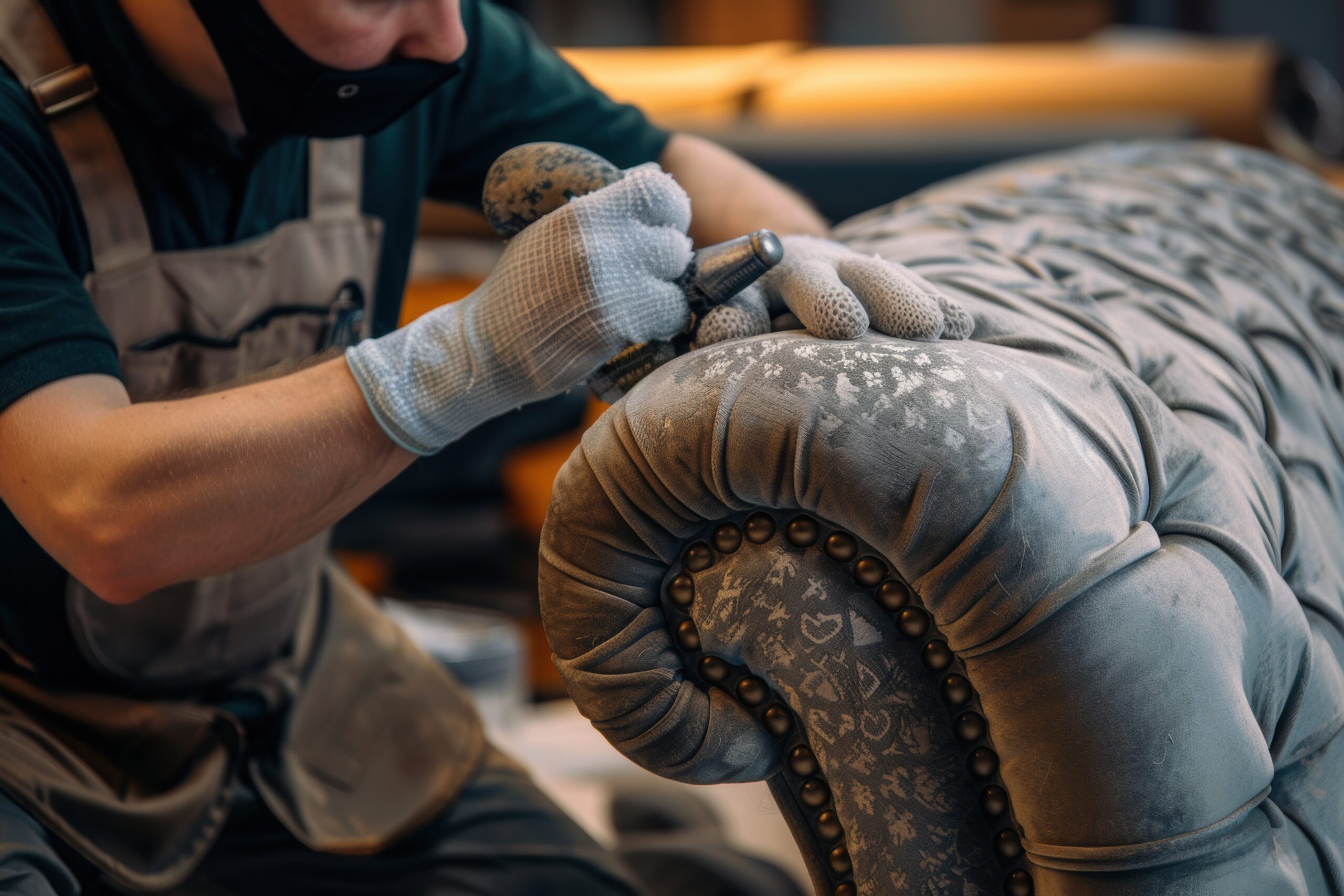
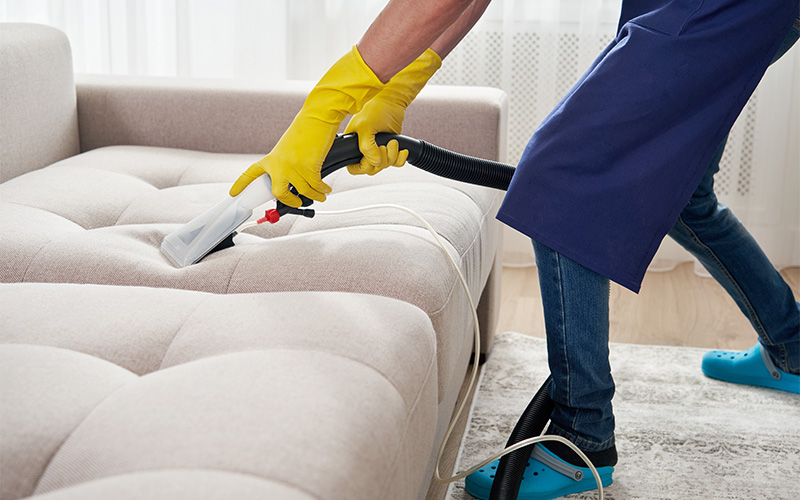
Every effective cleaning routine begins with a dry step. Use a vacuum cleaner with a soft brush attachment to remove dust, crumbs, and fine particles from the surface. Focus on seams, crevices, and under cushions where debris builds up most.
In Singapore homes, vacuuming once a week helps prevent particles from settling deeper into the fabric, especially in air-conditioned spaces where dust accumulates quickly. This step supports fabric sofa maintenance and prepares the surface for any further cleaning.
Check care labels and understand fabric behaviour before cleaning
Before applying any solution, always refer to the sofa’s care label and check textile care symbols. These indicate whether water-based or dry-cleaning methods are suitable.
Fabric behaviour also influences cleaning outcomes. Tighter weaves may resist stains but retain moisture longer, while softer materials absorb spills more readily. WTP Furniture sofas are designed with performance-oriented fabrics that have been treated or woven for increased durability and stain resistance, supporting daily usability, allowing for easier maintenance when the correct cleaning approach is applied.
As a standard precaution, always test any cleaning method on a hidden area before applying it across the sofa. This reduces the risk of unintended changes in colour or texture.
Address stains early with controlled spot cleaning
When spills occur, immediate action reduces long-term impact. Blot the area gently with a clean cloth instead of rubbing. For older stains, apply a small amount of diluted detergent with minimal moisture.
Avoid overly foamy or heavily fragranced products, as these may leave residue within the fabric. Excess water should also be avoided, as it can seep into inner cushioning. This method supports effective upholstery stain removal while preserving the sofa’s structure.
Avoid common cleaning mistakes that affect long-term condition
Effective cleaning also involves knowing what to avoid. Over-wetting the fabric, scrubbing aggressively, or using unsuitable cleaning agents can lead to uneven texture, fading, or prolonged drying.
Keeping the process controlled ensures the sofa remains consistent in both appearance and comfort.
What is the safest way to refresh a fabric sofa at home?
Neutralise odours using low-moisture methods
Fabric sofas can retain subtle odours over time due to moisture exposure and daily use. Lightly apply baking soda across the surface, then vacuum it after 20 to 30 minutes. This helps absorb trapped smells without introducing additional dampness.
This supports odour removal from sofa surfaces as part of occasional maintenance rather than daily cleaning.
Use steam cleaning carefully and only when appropriate
Steam cleaning can help lift deeper dirt and lightly sanitise fibres, but it should only be used when the fabric type allows it. Occasional use is sufficient, rather than frequent application.
Overuse may lead to moisture retention, especially in enclosed living environments where drying takes longer. A light, controlled approach maintains fabric stability.
Ensure proper drying to protect both fabric and cushion interiors
Drying is a critical step that should not be rushed. Allow the sofa to air dry fully in a well-ventilated space, supported by airflow such as fans. Avoid direct heat sources, which may affect fabric integrity.
Cushion interiors should be evenly dried before reassembly. Avoid placing weight on cushions while they are still damp, as this may affect their shape and internal structure. Proper drying prevents lingering odours and maintains comfort.
How to clean a fabric couch as part of regular care
Maintain structure and comfort through consistent upkeep
Regular care reduces the need for intensive cleaning. Rotating and fluffing cushions weekly helps distribute wear evenly, while keeping the sofa away from direct sunlight prevents fading. This becomes particularly important for larger configurations such as an L shape sofa, where different sections experience varying levels of use.
Ensuring airflow around the sofa and positioning it away from damp surfaces helps minimise moisture build-up. These habits contribute to prolonging sofa lifespan and support long-term usability.
Align cleaning habits with everyday living patterns
Preventive care is central to maintaining fabric sofas. Managing food and drink placement, responding to spills promptly, and maintaining airflow all help reduce the frequency of deeper cleaning.
A simple routine can be followed: vacuum weekly, address stains as they occur, refresh occasionally when needed, and ensure proper drying after any cleaning step. When planning to buy a sofa in Singapore, considering ease of maintenance alongside design ensures that the sofa remains practical for everyday use.
WTP Furniture sofas are designed with durability and daily usability in mind, allowing cleaning routines to remain simple and manageable.
When should you consider professional cleaning instead?
Recognise when home cleaning is no longer sufficient
Routine care is effective for general maintenance, but certain conditions may require professional attention. Deep-set stains, uneven discolouration, or persistent odours after repeated cleaning indicate that more specialised methods may be needed.
Continuing to clean repeatedly in these situations may affect the fabric further. Recognising when to escalate ensures the sofa remains in good condition. It is always advisable to consult with upholstery specialists when dealing with severe damage to ensure the long-term integrity of the materials.
Support long-term care through material-conscious services
For sofas that require deeper restoration, services such as sofa upholstery repair can help maintain both structure and appearance over time. Larger configurations with deeper seating areas and less accessible corners also benefit from professional cleaning, ensuring that all sections are treated evenly and thoroughly.
As a supplier of high-quality furniture, WTP Furniture can also provide guidance on long-term care and maintenance, helping homeowners make informed decisions on preserving their sofa’s condition over time.
Conclusion
Understanding how to clean a fabric couch comes down to following a clear and consistent process. Vacuum regularly, treat stains early, refresh when needed, and always ensure proper drying. These steps work together to maintain both comfort and appearance without unnecessary complexity.
At WTP Furniture, sofas are designed to support everyday living through durable materials and thoughtful construction. With the right care approach, maintenance becomes a simple routine, allowing your sofa to remain functional, comfortable, and visually consistent within your home for years to come, offering long-term peace of mind.
Explore WTP Furniture’s collection to find a piece that fits seamlessly into your daily routine.