Key Takeaways:
How do interior design and styling work together to create a cohesive home?
- Interior design and styling must be planned together to ensure both functionality and visual consistency from the start.
- A strong layout foundation allows furniture and styling elements to fit naturally without disrupting flow or usability.
- Thoughtful furniture selection helps bridge structure and aesthetics, creating a balanced and intentional space.
- Avoiding overstyling or understyling ensures that homes remain practical while still feeling complete and comfortable.
Introduction
Many homeowners complete their renovation only to realise something still feels off. The layout works, the furniture fits, yet the space lacks cohesion. This often happens when interior design and styling are approached as separate stages rather than a connected process.
A well-designed home is shaped by how each element works together, from spatial planning to the smallest finishing detail. Interior design establishes the structure of a space, while styling introduces personality and warmth. When both are considered together from the start, homes feel intentional, balanced, and aligned with everyday living in Singapore, especially in compact HDB flats and modern condominium layouts.
How Does Interior Design Establish the Foundation?
Design Defines How a Space Functions
At its core, interior design focuses on structure. It determines layout, circulation, lighting placement, and how each area supports daily routines. In Singapore homes where space is often limited, this planning becomes especially important. Well-considered proportions ensure that rooms remain practical without feeling overcrowded.
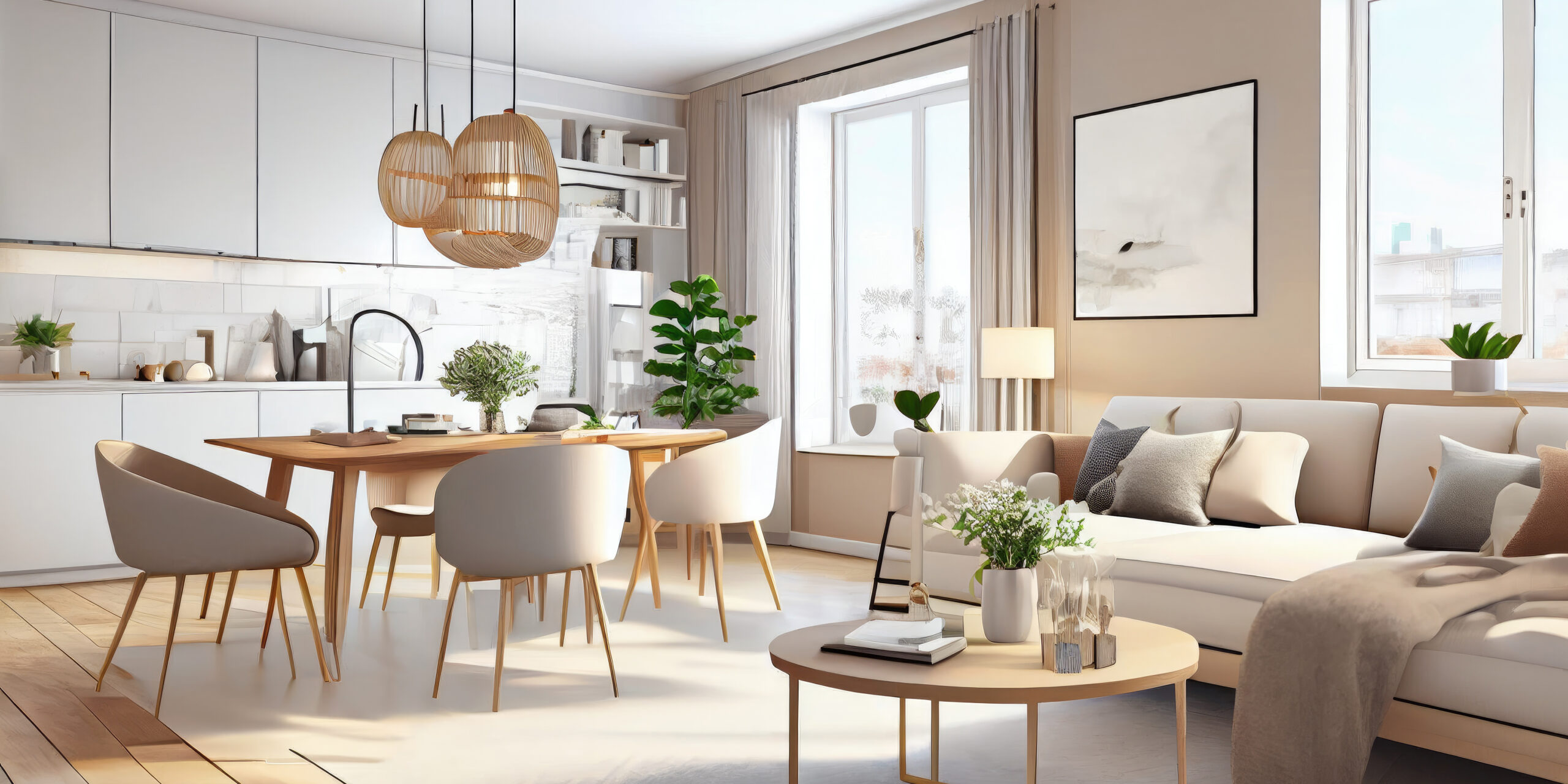
A strong design framework also supports functional layout planning, where every zone serves a clear purpose. This clarity reduces visual clutter and allows furnishings to sit naturally within the space rather than competing for attention. In a typical HDB living area, for instance, defining clear seating and dining zones ensures that key furniture pieces such as sofas and dining tables can be introduced without disrupting movement or flow.
A practical way to assess this is to observe how easily you can move through the space after placing essential pieces. If pathways feel restricted, the layout likely needs refinement before styling begins.
Design Creates Visual Flow Before Furnishing
Before any furniture is introduced, interior design shapes how the eye moves through a room. Consistent materials, aligned sightlines, and thoughtful lighting contribute to a sense of continuity. This stage ensures that when pieces such as a coffee table are later added, they enhance rather than disrupt the overall composition.
In open-concept condominium units, where living and dining areas share visual boundaries, this becomes even more critical. Without a clear foundation, furniture may appear mismatched or disconnected, even if each piece works well on its own. This highlights where design decisions must come first, setting the direction before styling layers are introduced.
What Role Does Styling Play in a Completed Space?
Styling Adds Personality and Warmth
Once the structural elements are in place, styling brings life into the home. Through furniture selection, materials, and curated combinations, it introduces layers of comfort and individuality. This is where curated furniture layering becomes essential, allowing homeowners to express their preferences while maintaining visual balance.
At WTP Furniture, this approach is reflected in the way sofas, tables, and complementary pieces are designed with consistent proportions and finishes. A well-proportioned sofa paired with coordinated elements helps anchor the living area while reinforcing the overall design direction.
In contrast, selecting furniture individually without considering scale or finish often leads to a fragmented outcome that becomes difficult to correct over time. Adjusting mismatched proportions or replacing poorly aligned pieces later can require additional cost and effort, especially once the space is fully furnished and in use.
Styling Reflects Lifestyle and Daily Living
Styling is not only about aesthetics. It reflects how a space is used daily, from quiet evenings at home to hosting guests. Choices such as seating arrangements and surface finishes influence both comfort and usability.
For newly married couples furnishing their first home, this often means choosing pieces that support multiple functions without overcrowding the space. In smaller Singapore homes, selecting furniture with balanced proportions and visual lightness helps maintain openness while still meeting practical needs.
This is where design begins to transition into lived experience, shaping how a home feels throughout the day.
How Does Furniture Bridge Design and Styling?
Furniture Connects Structure to Everyday Use
Furniture acts as the link between design planning and daily living. Pieces such as sofas, dining tables, and storage solutions translate layout decisions into practical use. At WTP Furniture, emphasis is placed on well-constructed pieces that balance durability with refined design.
Material consistency, proportion, and finish are carefully considered so that each piece integrates naturally within the intended layout. For example, a dining table that is appropriately scaled to the room supports both movement and usability, while maintaining visual balance within the space.
For homeowners selecting bedroom furniture in Singapore, this becomes particularly important, as each piece must fit comfortably within limited space while contributing to a cohesive overall look.
Cohesive Selection Enhances Longevity
Choosing furniture that aligns with the overall design direction ensures that the home remains adaptable over time. Instead of frequent replacements driven by changing trends, a consistent approach allows spaces to evolve gradually while maintaining a unified look. This reflects cohesive design continuity, where each addition complements the existing environment.
A common mistake is purchasing furniture piece by piece without considering how each item relates to the rest of the home. Over time, this can create a disjointed appearance that requires additional effort to correct. A more intentional approach supports both visual consistency and long-term usability.
How Do Interior Design and Styling Work Together?
Balance Between Function and Aesthetic
The relationship between design and styling is built on balance. Good design ensures that a home functions efficiently, while styling enhances how it feels. When aligned, they create seamless spatial harmony, where every element appears intentional.
For those new to styling their homes, the clearest path to this harmony is recognising that design dictates placement, and styling refines it. This principle ensures that foundational elements like layout and key furniture are fixed before introducing styling layers such as textures and finishes, preventing unnecessary adjustments later on.
Avoiding Overdesign or Understyling
A common challenge is leaning too heavily on one aspect. When interior design and styling are not aligned, a space may feel well-structured yet incomplete, or visually styled without a functional foundation. In smaller or compac thomes, overstyling can reduce usable space, while understyling may leave rooms feeling sparse.
Common signs of imbalance include overcrowded surfaces, inconsistent finishes, or furniture that feels disconnected from the layout. Identifying these early allows homeowners to make adjustments before the space becomes difficult to refine, ensuring both design and styling contribute meaningfully.
Why Work with Professionals Who Understand Both?
Integrated Approach Leads to Better Outcomes
When design and styling are approached together, the result is a more cohesive home. Professionals who understand both aspects can guide decisions that balance practicality with aesthetics, ensuring that layout, furniture, and styling elements work towards a shared outcome.
At WTP Furniture, this integration is reflected in how collections are designed with consistent materials, proportions, and finishes suited to modern Singapore homes. This allows homeowners to select pieces with confidence, knowing they will fit naturally within a broader interior concept rather than needing constant adjustment.
Conclusion
A cohesive home is not achieved through design or styling alone, but through the thoughtful integration of both. Interior design and styling provide the structure and expression needed to create spaces that feel complete and comfortable.
For homeowners in Singapore, a practical starting point is to first assess layout and space planning, followed by selecting key furniture pieces that align with both function and visual direction. From there, styling layers can be introduced to refine the atmosphere without overwhelming the space. By approaching the process in this way, homeowners can avoid common pitfalls and create environments that support daily living while maintaining a clear, consistent aesthetic.
Explore WTP Furniture’s curated range to begin building a home where each piece contributes to a space that feels balanced, practical, and thoughtfully put together.