Key Takeaways:
What should you know when choosing the best wood for your dining room table?
- The best wood for your dining room table depends on how well it handles Singapore’s humidity, daily use, and long-term stability, not just how it looks.
- Teak and oak offer the most balanced combination of durability and versatility, while walnut and lighter woods suit more specific design or space needs.
- Lighter woods help smaller homes feel more open, but may require more care in high-use households compared to denser materials.
- Finishes and table structure play a major role in performance, affecting maintenance, comfort, and how the table functions in everyday living.
Introduction
A dining table is more than a place to eat. It anchors daily life, from family meals to work-from-home routines and social gatherings. In modern Singapore homes, it often serves multiple roles within a single day, making both function and form equally important in the selection process.
Dining tables come in different materials and constructions, each offering distinct advantages in durability, maintenance, and visual impact. Among these, wooden dining tables remain one of the most widely chosen options due to their balance of warmth, strength, and design versatility in residential interiors.
However, not all wooden dining tables perform in the same way. Differences in wood type can significantly affect durability, maintenance, and how well the table adapts to Singapore’s humidity and compact living conditions.
This is why choosing the best wood for your dining room table becomes both a design and functional decision, especially in Singapore where humidity, space limitations, and daily multi-use requirements directly influence long-term performance.
What makes the best wood for your dining room table in Singapore homes?
In Singapore’s humid climate, stability is one of the most important factors when selecting the best wood for a dining room table. Constant exposure to air-conditioning and humidity shifts can affect how wood expands, contracts, and ages over time.
However, what makes a wood truly suitable for long-term use is not only its appearance, but also how well it performs as part of the overall table structure. Even strong-looking wood can underperform if it is not properly supported or constructed for daily residential use.
This is why the most ideal wood type is not chosen in isolation. It should be considered together with how the table is built and how it will be used in real homes, where dining tables often function as multi-purpose surfaces for eating, working, and daily living.
Which wood types offer the best balance of durability and style?
Teak remains one of the most durable choices due to its natural resistance to moisture and wear, making it particularly suitable for Singapore’s humid climate. It also has natural antimicrobial and anti-termite properties, which further support its use in tropical homes where hygiene, durability, and long-term material stability matter. Its stability over time makes it a reliable option for households that use their dining table daily, while its warm tone and smooth feel make it a comfortable fit for both modern and classic interiors.
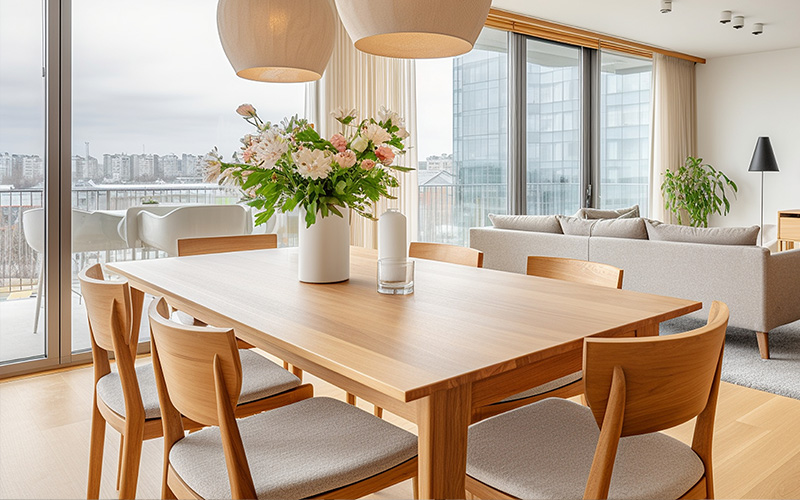
Oak provides a balanced combination of strength and versatility, making it well-suited for frequent everyday use. Its relatively even grain and lighter tones work especially well in contemporary homes, where a clean and understated look is preferred without compromising on durability.
Walnut introduces deeper tones and a more distinctive grain pattern, creating a stronger visual presence in the dining area. It is often chosen for design-led interiors where the table acts as a focal point, although its darker surface may show wear more visibly over time compared to lighter woods.
Ash and beech offer lighter visual weight, making them suitable for compact homes where spatial openness is important. Their pale tones help reflect light and reduce visual heaviness, although they are generally less dense than teak or oak and may require more mindful care in high-use environments.
Taken together, teak and oak offer the most balanced combination of durability and design flexibility for most Singapore homes, while walnut and lighter woods such as ash and beech are better suited for more specific aesthetic or spatial priorities.
Are lighter woods suitable for compact modern homes?
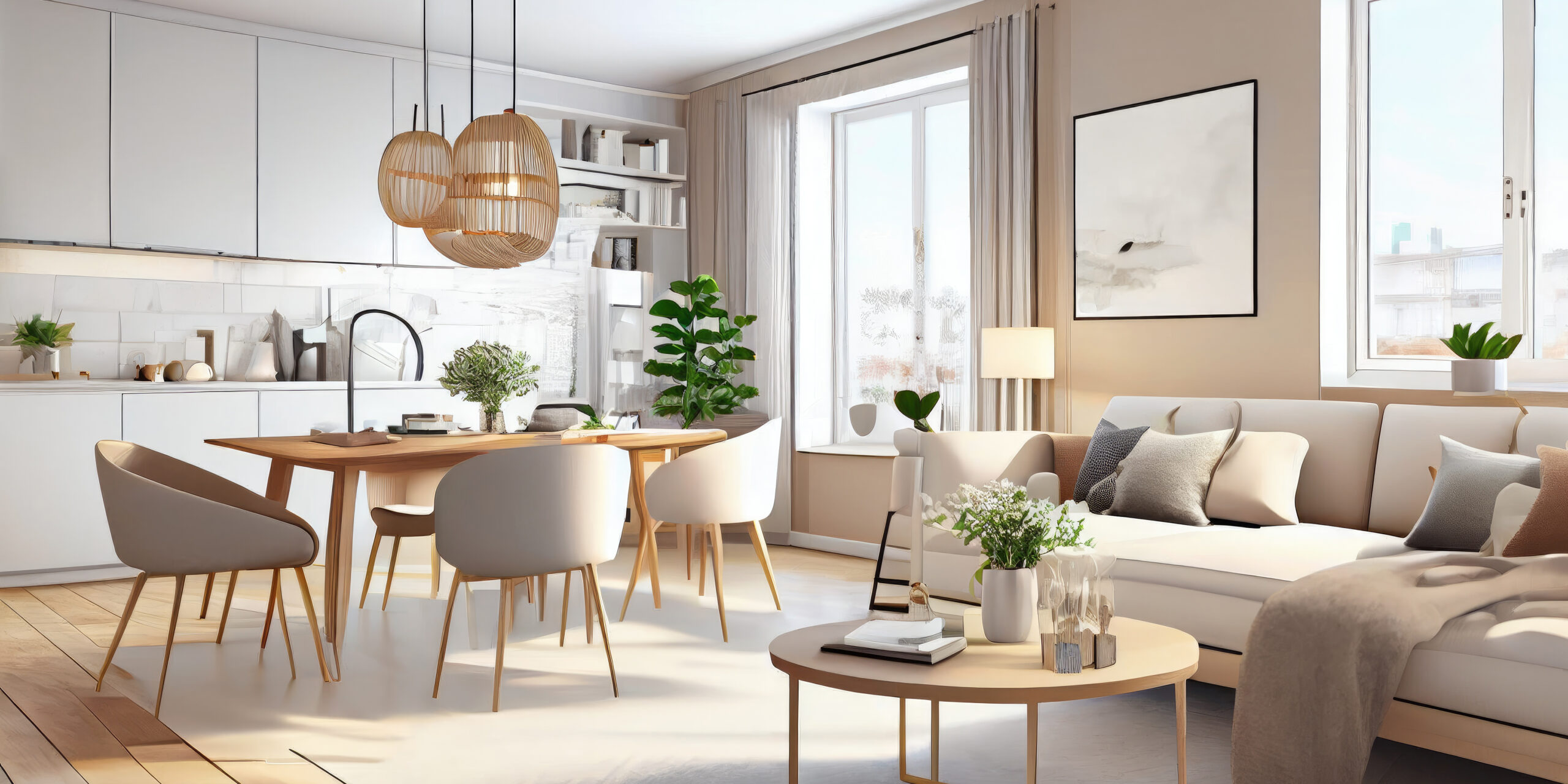
Lighter woods such as ash and beech are well suited for compact modern homes, particularly in Singapore where space is often limited. Their pale tones reflect light more effectively, helping dining areas feel more open and less visually heavy within smaller layouts.
This makes them especially useful in HDB flats and condominiums where the dining area is part of a shared living space. When combined with slimmer table profiles or minimalist base designs, lighter woods contribute to a more balanced and uncluttered interior.
However, this visual lightness comes with some trade-offs. Lighter woods are generally less dense than options such as teak or oak, which means they may show signs of wear more easily in households with frequent daily use.
When paired thoughtfully, such as when you buy dining chairs in complementary tones and proportions, lighter wood tables can still create a cohesive and functional dining setup. Overall, they remain a practical choice for compact homes where spatial openness and visual clarity are a priority.
How do finishes and structure influence real-world performance?
Finishes and structure directly affect how a dining table performs in daily use, not just how it looks. Before the finish is applied, proper wood treatment also matters. Processes such as kiln drying help reduce moisture in timber, making the wood more stable when exposed to changes between warm, humid conditions and cooler, air-conditioned interiors. A well-applied finish helps protect the surface from heat, moisture, and stains, making the table easier to maintain over time, especially in Singapore homes where humidity and frequent use are common.
At the same time, the table’s structure plays an equally important role in usability. Base design influences how comfortable the table is to use, how much legroom is available, and how easily chairs can be arranged around it. Pedestal bases allow for more flexible seating, while cross-leg or metal-frame designs provide stronger support but may take up more visual and physical space.
Together, finishes and structure determine how well a dining table holds up to everyday activities such as dining, working, and hosting. A table that balances surface protection with a practical, space-efficient base design will generally perform better over time in a modern Singapore home.
What many homeowners overlook when choosing dining table wood?
One of the most common oversights is focusing too heavily on how a dining table looks, without considering how it will be used on a daily basis. A table that appears visually suitable in a showroom may feel very different once placed in a home where it is used for meals, work, and other activities throughout the day.
Another factor that is often underestimated is scale. In compact Singapore homes, a dining table that is too large or visually heavy can disrupt movement and make the space feel more crowded, even if the material itself is well chosen. Proportion and layout tend to have a greater impact on comfort than many homeowners initially expect.
Maintenance is also frequently overlooked. Some wood surfaces require more careful upkeep to maintain their appearance, especially in households with frequent use. Without considering this early on, it becomes easy to choose a table that looks appealing at first but becomes harder to manage over time.
There is also a tendency to treat the dining table as a standalone piece rather than part of a wider living environment. In reality, how the table interacts with surrounding furniture, lighting, and layout can significantly affect how cohesive and functional the space feels. This is especially relevant when coordinating with pieces such as a coffee table, where consistency in tone and structure helps maintain a unified interior.
Taking these factors into account helps ensure that the final choice is not only visually appropriate, but also practical for everyday living in a Singapore home.
Conclusion
Choosing the best wood for your dining room table ultimately comes down to how well it supports everyday living in your home. Beyond material, factors such as layout, usage habits, and overall design play an important role in determining whether a table remains practical and comfortable over time.
For most households, a balanced approach works best, selecting materials and designs that match both daily use and spatial needs, rather than focusing on appearance alone. This ensures the table continues to function as a reliable centrepiece for dining, work, and shared moments.
At WTP Furniture, each dining table that Singapore homeowners choose is thoughtfully designed with this balance in mind, bringing together material quality, structural integrity, and space-conscious design.
Explore WTP Furniture’s collection to find a dining table that fits naturally into your home and supports the way you live every day.