
Key Takeaways:
How does upholstery influence the durability and lifespan of furniture?
- Upholstery provides sofas, armchairs, dining chairs, and beds with comfort, support, shape, and a finished appearance.
- Quality materials help furniture resist sagging, fabric wear, and daily use over time.
- Singapore’s humidity makes breathable fabrics, strong internal support, and proper care especially important.
- Reupholstery can refresh well-loved furniture while extending its comfort, style, and usable lifespan.
Introduction
Behind every comfortable sofa or elegant armchair lies a craft that many homeowners overlook: upholstery. It gives furniture its softness, structure, and personality, while also shaping how well a piece holds up to everyday use.
Many homeowners only ask what upholstery is when a sofa starts to sag, fabric begins to fade, or a favourite armchair no longer feels supportive. However, upholstery matters from the moment you choose a piece of furniture. It affects comfort, durability, maintenance, and the way the furniture fits naturally into your home.
In Singapore, this becomes even more important. Humidity, heat, frequent air-conditioning, compact layouts, and daily use can all affect fabric, foam, stitching, and internal support. A beautifully designed piece may look appealing at first, but its long-term value depends on the quality beneath the surface.
Design-conscious homeowners consider upholstery not only as a fabric choice. They also evaluate craftsmanship, proportion, support, and how furniture continues to serve the home over time.
What Is Upholstery in Furniture Design?
Upholstery Creates Comfort, Shape, and Support
What is upholstery in practical terms? It refers to the craft of padding and covering furniture frames with fabric, foam, springs, webbing, and other support materials. It turns a bare structure into a comfortable sofa, armchair, dining chair, bedhead, or bench.
The frame provides the foundation, but upholstery shapes the everyday experience of using the furniture. This includes webbing (the interlaced support straps beneath the cushion), springs (which provide tension and bounce), and high-density foam (which ensures the piece holds its shape). Fabric choices further affect texture, breathability, and maintenance. Stitching and finishing details determine how polished and well-made the piece feels.
This explains why two sofas with similar silhouettes can feel very different. One may sink too quickly, lose its shape, or show early fabric wear. Another may remain comfortable and structured for years because skilled upholsterers used better materials and stronger construction methods.
Upholstery Affects More Than Appearance
Many homeowners first notice upholstery through colour, texture, or pattern. These visible details matter, especially when coordinating furniture with curtains, rugs, wall colours, and other home styling choices. However, appearance only forms one part of the decision.
Good upholstery supports the way you live. A family sofa needs fabric that handles frequent sitting, light spills, and regular cleaning. A reading chair should provide sufficient support for extended use. Dining chairs need padding that feels comfortable without making the room look heavy.
This matters even more in HDB flats and condominiums, where a well-upholstered piece must feel inviting without overwhelming the room.
Why Does Upholstery Matter for Furniture Longevity?
Quality Materials Help Furniture Last Longer
The materials used in upholstered furniture affect how long the piece remains comfortable and presentable. Dense foam usually keeps its shape better than low-grade foam. Strong webbing supports the weight more evenly. Durable fabrics resist pilling, thinning, and early wear.
To understand what upholstery truly is, homeowners should look beyond the outer fabric and consider the piece’s overall construction. The best upholstery decisions bring together comfort, resilience, and suitability for the home environment.
In Singapore, breathable materials such as cotton, linen, and selected treated blends are excellent for warm climates. However, some natural fabrics may crease, absorb moisture, or stain more easily, so the right choice depends on lifestyle, household habits, and maintenance expectations.
Humidity and poor ventilation can also affect upholstery over time. Trapped moisture may make fabrics feel musty, weaken certain internal materials, or create conditions in which odours become harder to manage. Direct sunlight can fade colours, while frequent air-conditioning may dry out certain materials if furniture sits too close to strong airflow. This is why placement, ventilation, and fabric care all matter after purchase.
Poor Upholstery Can Shorten a Furniture’s Lifespan
A piece of furniture may have a beautiful frame and attractive design, but weak upholstery can reduce its usable life. Thin foam may flatten quickly. Loose stitching can fray. Poor-quality fabric may fade, stretch, or pill after regular use. Weak support beneath the seat can also lead to sagging, even when the outer fabric still looks acceptable.
This is why upholstery should shape the buying decision, not sit as an afterthought. When homeowners browse furniture for the bedroom, living room, or dining area, they should consider how each item will be used, cleaned, and maintained over time.
Can Reupholstery Extend the Life of Furniture?
Reupholstery Refreshes Well-Loved Pieces
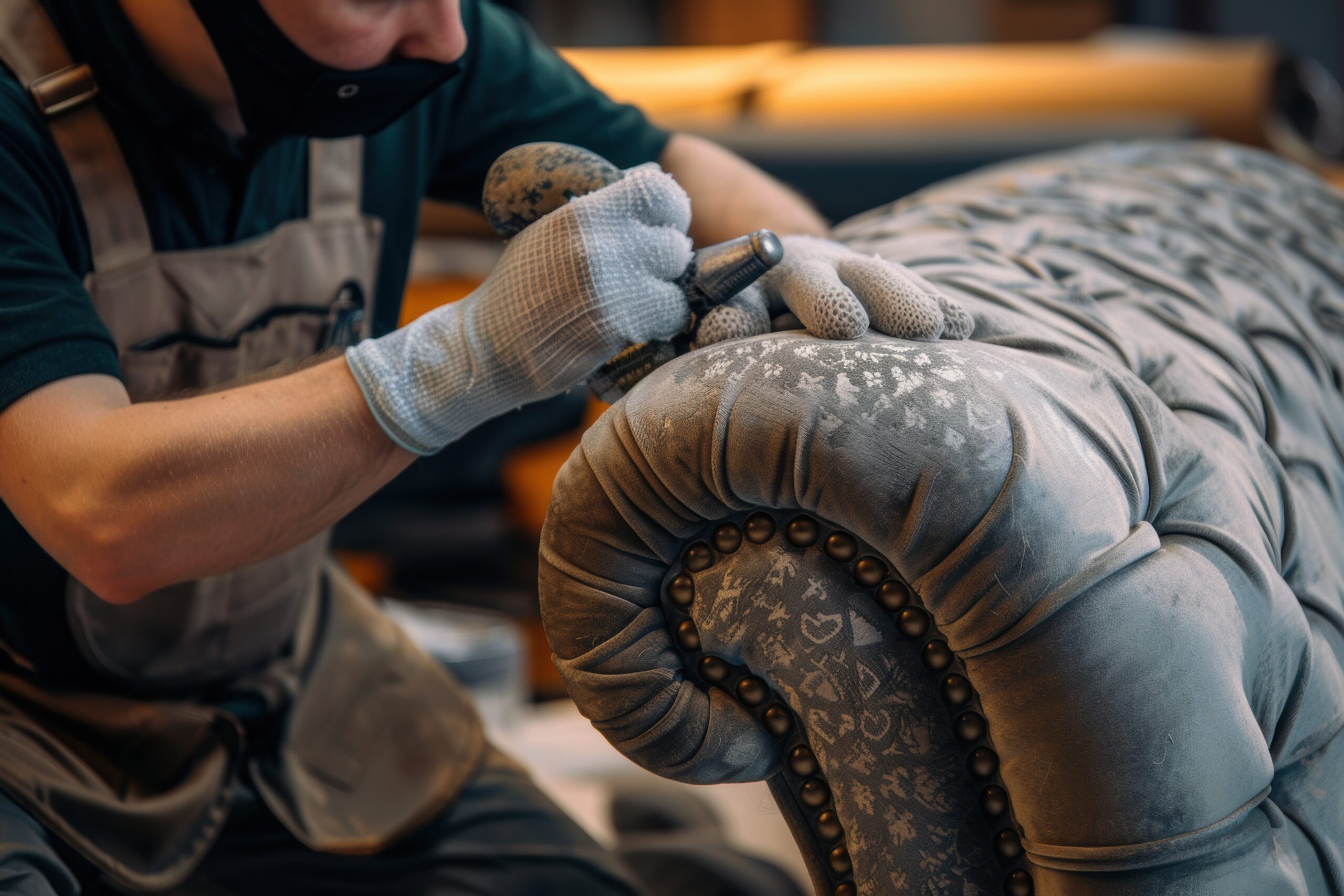
Reupholstery allows homeowners to renew existing furniture by replacing worn fabric, tired foam, weakened support, or outdated finishes. Instead of discarding a piece with a strong frame, you can refresh its comfort and appearance while keeping the structure that already works for your home.
This can be useful for sentimental pieces, antique chairs, quality sofas, or custom-made furniture that still has a solid foundation. It also supports a more sustainable approach to furnishing by reducing unnecessary waste and extending the lifespan of well-made items.
When homeowners consider custom furniture options in Singapore, they use upholstery to personalise each piece. They can adjust fabric, cushioning, piping, stitching, and proportions to suit the room, lifestyle, and desired level of comfort.
Reupholstery Has Practical Limits
Reupholstery works best when the frame remains strong, and the piece has enough value, quality, or personal meaning to justify the work. If the frame is weak, badly damaged, or poorly constructed, replacing the furniture may make more sense.
A skilled upholsterer should always assess the frame, padding, and support system before recommending repair, renewal, or replacement.
How Should You Care for Upholstered Furniture?
Regular Care Protects Fabric and Comfort
Once homeowners understand what upholstery is, they can care for furniture more effectively. Regular vacuuming helps remove dust, crumbs, pet hair, and fine particles that settle into fabric fibres. Rotating loose cushions helps distribute wear more evenly and prevents one side from flattening faster than the other.
Furniture should also be kept away from direct sunlight where possible, as strong light can fade certain fabrics over time. While some modern performance fabrics are treated to resist UV rays, prolonged exposure to intense sunlight will eventually cause fading in almost any textile.
In Singapore homes, avoid placing upholstered pieces directly against damp walls or poorly ventilated corners. Trapped moisture may make fabric feel musty, affect foam, or weaken certain internal materials when the area lacks proper ventilation.
Buying Decisions Should Include Upholstery Quality
When planning to buy a sofa in Singapore, homeowners often focus on size, colour, and price first. These factors matter, but upholstery quality should sit high on the checklist. A sofa needs to feel good on day one and remain supportive after repeated use.
Start with the cushions. Sit down and notice whether the seat feels evenly supported from edge to centre. If the cushion sinks sharply, feels lumpy, or does not recover its shape after you stand, the foam may lose structure more quickly with regular use. Good cushion support should feel comfortable without collapsing too fast, especially if the sofa will serve as the main seating area in the home.
Look closely at the seams as well. Stitching should sit evenly, without pulling, puckering, or loose threads. Fabric patterns should align neatly where panels meet, especially on visible areas such as arms, backs, and cushion fronts. These details may seem small, but they often reflect the level of care behind the upholstery work.
Fabric choice should also match how the furniture will be used. A family sofa may need a durable, easy-to-clean fabric that handles frequent sitting and light spills. An occasional armchair can carry a more delicate texture if it sees lighter use. Bedroom seating may focus more on softness, proportion, and how it complements home styling, since it usually faces less wear than a living room sofa.
A good sofa should not only match the room. It should support daily routines, fit the home layout, and remain comfortable over time.
Why Does Expert Craftsmanship Make a Difference?
Skilled Upholstery Brings Detail and Durability Together
At WTP Furniture, upholstery decisions are guided by how furniture performs over time, not just how it looks in a showroom. Its origins as an antique store instilled a practical understanding of longevity, repairability, and materials that age well. Many antique and vintage pieces show how solid frames, careful joinery, and replaceable upholstery can keep furniture useful for years instead of making it disposable.
This long-term perspective carries into WTP’s current furniture curation. Sofas, chairs, and upholstered pieces are selected with attention to internal structure, comfort, material suitability, and finishing. Rather than treating upholstery as a surface detail, WTP considers how fabric, cushioning, stitching, and proportions affect a piece’s function in a real home.
For homeowners exploring custom furniture options, WTP’s curation allows upholstery choices to be adjusted to suit specific needs. This may include choosing fabrics that are easier to maintain in family homes, adjusting seat firmness to suit comfort preferences, or selecting finishes that match existing furniture pieces. By combining heritage knowledge with practical furniture selection, WTP helps upholstery contribute to pieces that remain usable, adaptable, and relevant over time.
Conclusion
Understanding what upholstery is and why it matters is the first step toward creating a home that feels comfortable, looks refined, and stands the test of time. In Singapore’s humid and space-conscious homes, the right upholstery choices can help furniture remain supportive, attractive, and practical for years.
Choose WTP Furniture’s crafted collections to find design-led upholstered pieces made with comfort, proportion, and long-term use in mind.