
Key Takeaways:
How can curtains improve the look and feel of a home?
- Curtains do more than cover windows. They influence light, privacy, texture, colour balance, and the overall mood of a room.
- The right fabric can make a space feel airy, elegant, cosy, or formal, depending on how homeowners want each room to function.
- Layered curtains offer better flexibility in Singapore homes, especially when managing strong daylight, privacy, and evening comfort.
- Curtain length, heading style, rods, tiebacks, and trims can change how polished and proportionate a room feels.
Introduction
Curtains are more than window coverings. They define a room’s ambience, tie together colour palettes, and introduce softness to architectural lines. In many Singapore homes, where natural light, compact layouts, and open-plan interiors often shape design decisions, the right curtain ideas can change how a space feels without requiring major renovation.
The right curtain design can make ceilings appear taller, soften strong sunlight, frame furniture beautifully, and give a room a more refined finish. Whether a homeowner lives in a BTO flat, condominium, or landed property, curtains help balance privacy, comfort, and style.
Sheer curtains can brighten a living room while preserving daytime privacy. Blackout curtains can create a restful bedroom environment. Heavier drapes can add visual depth to formal spaces. By choosing the right fabric, colour, length, and finishing details, homeowners can refresh their interiors in a practical and design-conscious way.
How Can Fabric and Texture Shape the Mood of a Room?
Lightweight Fabrics Create Softness and Airiness
Fabric choice affects how curtains fall, filter light, and interact with the rest of the room. Linen, cotton, voile, velvet, and silk each create a different impression. Linen and cotton suit relaxed interiors because they feel natural, breathable, and easy to pair with wood, rattan, and neutral upholstery. These materials work well in bright Singapore homes where homeowners want softness without making the room feel heavy.
Sheer fabrics are especially useful in living rooms and dining areas. They allow daylight to enter while reducing harsh glare, which makes the space feel calmer during the day. In smaller rooms, lighter curtains can also help the interior feel less crowded.
For homeowners who enjoy gentle home styling, sheer or semi-sheer curtains can act as a quiet backdrop for furniture, artwork, plants, and decorative accessories. Instead of competing for attention, the fabric supports the full room composition. This suits WTP Furniture’s design-conscious approach to creating memorable living spaces, where furniture, décor, and soft furnishings should feel considered rather than overly staged.
Heavier Drapes Add Warmth and Visual Presence
Heavier fabrics create a richer and more formal look. Velvet, thick cotton blends, and lined drapes can work well in bedrooms, lounges, and larger living areas where homeowners want more privacy, insulation, or a stronger design statement.
These curtain design ideas suit rooms that need a sense of depth. A pair of full-length velvet curtains, for example, can make a master bedroom feel more cocooned and restful. In a formal living room, heavier drapes can frame the windows and add contrast against cleaner architectural lines.
However, heavier fabrics need careful placement in Singapore homes. In compact spaces, very dark or bulky curtains may make the room feel smaller. Homeowners can balance this by choosing softer tones, slimmer pleats, or combining heavier night curtains with daytime sheers.
Why Should Homeowners Layer Curtains for Function and Depth?
Sheer and Blackout Layers Offer Better Light Control
Layering curtains gives homeowners more flexibility throughout the day. A sheer layer can soften sunlight in the morning and afternoon, while a blackout layer can block stronger light, improve privacy, and support better rest at night.
This approach works especially well in bedrooms, nurseries, and rooms that face direct afternoon sun. In Singapore’s light-filled apartments, layered curtains allow homeowners to adjust the room without relying solely on blinds or air conditioning. They can keep the room bright during the day, then create a darker and quieter setting in the evening.
Layered curtain design ideas also create a more finished look. The combination of sheer and opaque fabrics adds depth, movement, and a subtle hotel-inspired effect. When the fabrics share a similar colour family, the result feels elegant without becoming overly decorative.
Layering Works Well with Furniture and Room Layouts
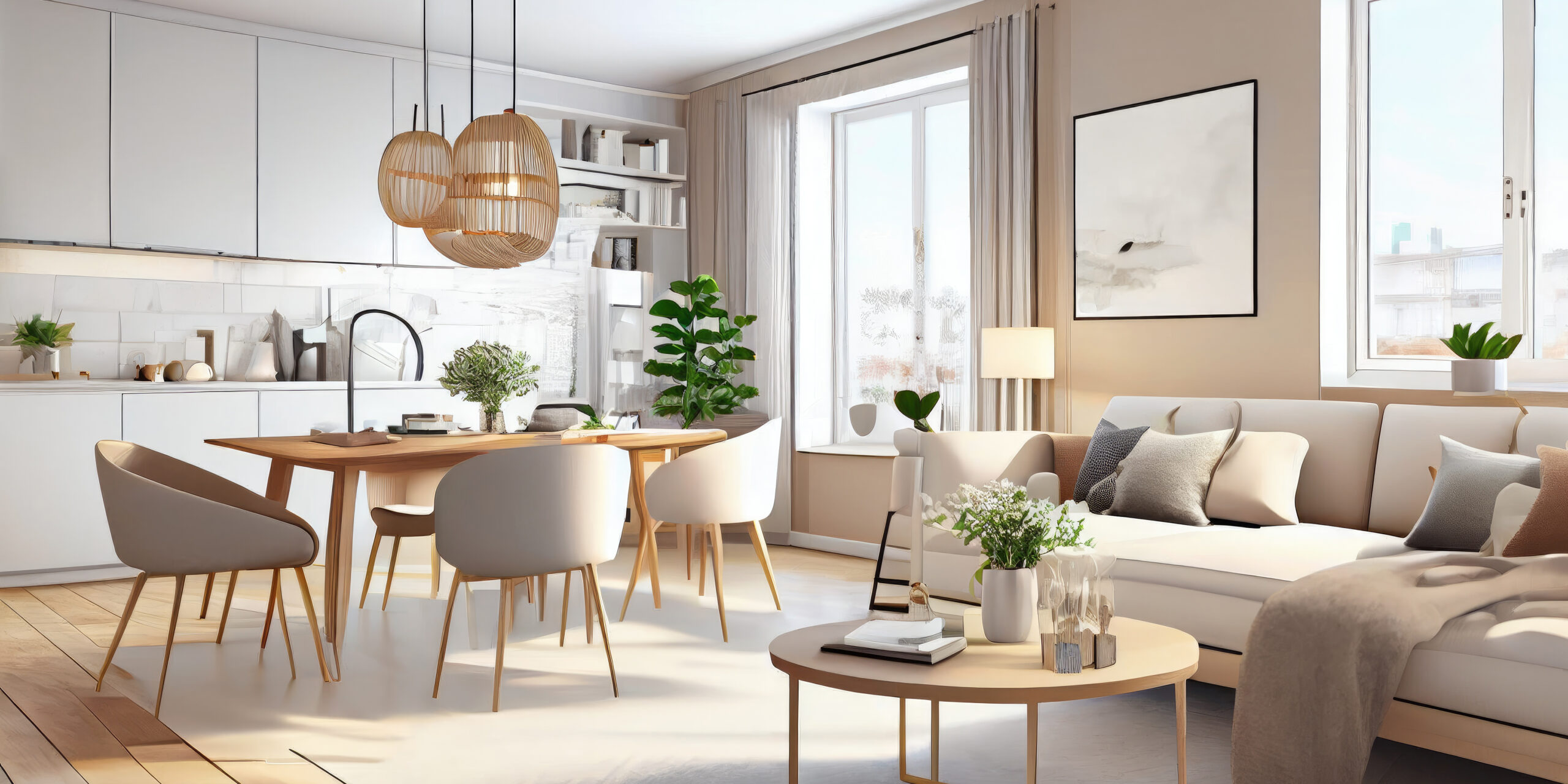
Curtains should not stand alone from the rest of the room. They should work with furniture scale, flooring, wall colour, and lighting. In a living room, the curtain fabric can pick up subtle tones from the sofa, rug, or timber finish of a coffee table, creating a more cohesive visual flow without making the room feel overly matched.
For example, warm beige sheers can soften a room with oak furniture, while soft grey blackout curtains can complement cooler marble, metal, or stone finishes. In a quiet reading corner, textured neutral curtains can sit beautifully beside an armchair that homeowners might choose for daily comfort, especially when the fabric tones echo the upholstery, cushions, or a nearby side table.
How Can Colour, Length, and Hanging Style Elevate the Interior?
Colour Choices Can Calm or Energise a Space
Curtain colour influences the emotional tone of the room. Neutral tones such as ivory, oatmeal, taupe, soft grey, and warm beige create calm and flexible interiors. These shades suit homeowners who want curtains to blend easily with furniture, flooring, and wall finishes.
Bolder colours can work well when the rest of the room feels simple. Deep green, muted blue, rust, charcoal, or patterned fabrics can create a focal point without overwhelming the space. The key is to repeat the colour subtly elsewhere, such as through cushions, artwork, ceramic pieces, or upholstery details.
Patterned curtains need more restraint. Large prints can look expressive in spacious rooms, but they may feel busy in smaller BTO bedrooms or narrow living areas. Smaller patterns, woven textures, or tone-on-tone designs often feel easier to live with over time.
These curtain design ideas help homeowners choose colour with both style and longevity in mind. A curtain may look attractive in isolation, but it should still support the full interior scheme.
Full-Length Curtains Make Rooms Feel Taller
Length and hanging style can change the proportions of a room. Floor-to-ceiling curtains can make ceilings appear higher, and windows feel larger. Mounting the curtain track or rod closer to the ceiling draws the eye upward, making compact rooms feel more spacious.
Curtains should usually skim the floor or fall with a slight break, depending on the desired look. A clean floor-skimming finish feels neat and contemporary, while a gentle puddle can feel more luxurious in formal bedrooms or lounge areas. For everyday Singapore homes, a neat finish often works better because it collects less dust and remains easier to maintain.
Heading styles also play a role. Ripple-fold curtains create a soft, modern wave. Pleated curtains feel more tailored and structured. Eyelet curtains offer a relaxed look, although they may not glide as smoothly across wider windows.
Homeowners should choose the heading based on the room’s style, curtain weight, and how often they open or close the panels.
What Finishing Touches Make Curtains Feel More Polished?
Accessories Should Match the Room’s Material Palette
Small details can make curtains feel more complete. Decorative rods, discreet tracks, tiebacks, trims, and finials all contribute to the final look. These details should match the room’s wider material palette rather than stand out awkwardly.
Wooden rods can suit warm, natural interiors. Brushed metal finishes can work well in modern apartments. Matte black hardware can add contrast in contemporary spaces, while softer brass tones can bring warmth to neutral rooms.
For homeowners in Singapore considering custom furniture, curtain accessories should be chosen with the same attention to proportion, finish, and material harmony. A customised cabinet, sofa, or dining setting will look more cohesive when the surrounding soft furnishings support the room’s colours, textures, and overall design direction.
Maintenance Should Guide Practical Design Choices
Beautiful curtains should also suit daily living. Singapore’s humidity, dust, and strong sunlight can affect fabric performance over time. Homeowners should consider washable fabrics, lining options, fade resistance, and ease of removal before making a decision.
Bedrooms may benefit from blackout lining, while living rooms may need lighter fabrics that dry faster and resist a heavy look. Households with children or pets may prefer durable weaves and simpler curtain lengths that do not drag excessively on the floor.
Practical curtain design ideas balance appearance with upkeep. The best choice should look elegant, support the room’s function, and remain manageable as part of regular home care.
Conclusion
Curtains can transform a home by shaping light, privacy, texture, and visual balance. From airy sheers and layered blackout curtains to full-length drapes, refined heading styles, and carefully chosen accessories, each detail affects how a room feels and functions.
For Singapore homeowners, the strongest curtain choices combine beauty with practicality, especially in homes that need to manage daylight, humidity, compact layouts, and daily comfort. With WTP Furniture’s heritage in thoughtfully curated furniture, timeless design, and refined home styling, curtains can become part of a wider interior approach rather than a standalone finishing touch.
Explore WTP Furniture’s collections to create a home interior that feels warm, considered, and comfortable for everyday living.