Key Takeaways:
What are the best furniture materials for Singapore’s humid climate?
- Choosing the right materials helps prevent issues like warping, rust, and moisture retention in humid conditions
- Solid wood offers durability and character but requires proper sealing, ventilation, and regular upkeep
- Engineered wood provides stable, low-maintenance performance, especially for storage, bed frames, and compact layouts
- Metal adds structure and visual lightness but must be treated to resist corrosion and used in moderation
- Rattan supports airflow and suits tropical environments, with synthetic options offering added durability for semi-outdoor use
- Breathable upholstery materials like cotton and linen improve comfort and reduce heat retention, especially in frequently used seating
- Combining materials thoughtfully and considering daily use, space constraints, and maintenance needs ensures long-term performance and design consistency
Introduction
Singapore’s tropical humidity can be unforgiving on furniture. Wood can swell, metal may corrode, and fabrics often retain moisture if materials are not selected carefully. In homes where space is limited and furniture is used daily, these effects become more noticeable over time. Choosing the right furniture materials is therefore not just a design decision, but a practical one that directly affects durability, comfort, and overall appearance.
For design-conscious homeowners, the challenge lies in balancing aesthetics with performance. Clean lines, refined finishes, and cohesive palettes only hold their impact when materials remain stable in humid conditions.
At WTP Furniture, this is reflected in how materials are selected and combined across pieces such as tables, sofas, and storage units to suit Singapore’s humidity and compact living environments. This guide explores how different materials perform, helping you make informed choices that last.
Solid Wood: Classic Beauty with Proper Care
Why Solid Wood Remains a Strong Choice
Solid wood is valued for its natural grain, depth, and long-term durability. Dense hardwoods such as teak and oak are less prone to excessive moisture absorption compared to softer wood types, allowing them to retain structure more effectively in humid environments.
In practical terms, solid wood works best for furniture that anchors a space, such as dining tables or storage pieces that experience regular use. These pieces introduce warmth and visual stability, especially in open-plan layouts. When properly treated and placed in well-ventilated areas, solid wood remains one of the most reliable furniture materials for long-term use.
Where Solid Wood Requires More Attention
Despite its durability, solid wood is still sensitive to prolonged humidity without proper care. In enclosed spaces with limited airflow, this may lead to slight expansion or a gradual dulling of the surface over time.
To minimise these effects, surfaces are typically sealed to reduce moisture absorption, and furniture should be positioned away from damp walls or areas where air circulation is restricted. With proper placement and regular upkeep, solid wood remains stable and continues to perform well in Singapore’s climate.
Engineered Wood: Smart Stability for Modern Living
Designed for Consistency in Changing Conditions
Engineered wood, including plywood and MDF (Medium-Density Fibreboard, a dense wood fibre panel compressed for smooth and even finishes), is designed to improve dimensional stability. This construction reduces the expansion and contraction typically caused by humidity, making it highly suitable for Singapore homes.
This stability supports modern furniture design, where clean lines and uniform surfaces are essential. It allows furniture to maintain its intended proportions across pieces such as storage units and bed frames, even with daily environmental changes. As a result, it remains one of the most practical materials in contemporary interiors.
When Engineered Wood Becomes the Better Choice
Engineered wood is particularly effective in compact homes where furniture must fit precisely and function efficiently. Storage systems, wardrobes, and modular units benefit from its ability to maintain alignment and usability over time.
For homeowners prioritising ease of maintenance, this material offers a clear advantage. However, lower-quality boards without proper finishing may still react to moisture. Selecting well-constructed pieces allows engineered wood to remain stable and dependable, particularly in frequently used areas such as bedrooms and shared living spaces.
Metal: Durable Yet Needs Protection
Strength and Structure in Everyday Furniture
Metal introduces structure, contrast, and visual lightness to furniture design. When finished with powder coating or made from stainless steel, it becomes more resistant to moisture and suitable for humid environments.
In smaller Singapore homes, metal helps reduce visual bulk. Slim frames create a sense of openness, allowing spaces to feel less crowded. For example, a coffee table or chair with a metal base paired with a lighter surface creates balance while maintaining durability. Furniture materials influence not just performance, but also how a space feels over time.
Understanding Its Limitations
While durable, metal requires proper finishing to prevent corrosion. Untreated surfaces can rust over time, particularly in areas exposed to moisture or condensation.
Metal can also retain heat, making it less comfortable if overused in non-air-conditioned spaces. It works best when paired with softer materials such as wood or fabric, allowing each component to balance the other. This ensures that materials contribute to both comfort and longevity without dominating the design.
Rattan and Wicker: Light, Airy, and Climate-Responsive
Natural Texture That Works with Humidity
Rattan is naturally suited to tropical climates due to its breathable, woven structure. It allows air circulation, making it more comfortable in warm environments compared to dense materials.
In Singapore homes where maintaining openness is important, rattan helps soften structured interiors without adding visual weight. It works particularly well alongside chairs and lounge seating, supporting a relaxed yet refined approach to home styling that blends natural texture with modern finishes.
Choosing Between Natural and Synthetic Options
Natural rattan performs best indoors, where exposure to moisture is controlled. Synthetic alternatives provide increased durability and are better suited for semi-outdoor areas such as balconies.
Avoid placing natural rattan in constantly damp environments, as prolonged exposure may weaken its structure. Selecting the right type ensures that materials remain aligned with both design intent and environmental conditions.
Fabrics and Upholstery: Choosing Comfort That Lasts
Why Breathability Matters in Daily Use
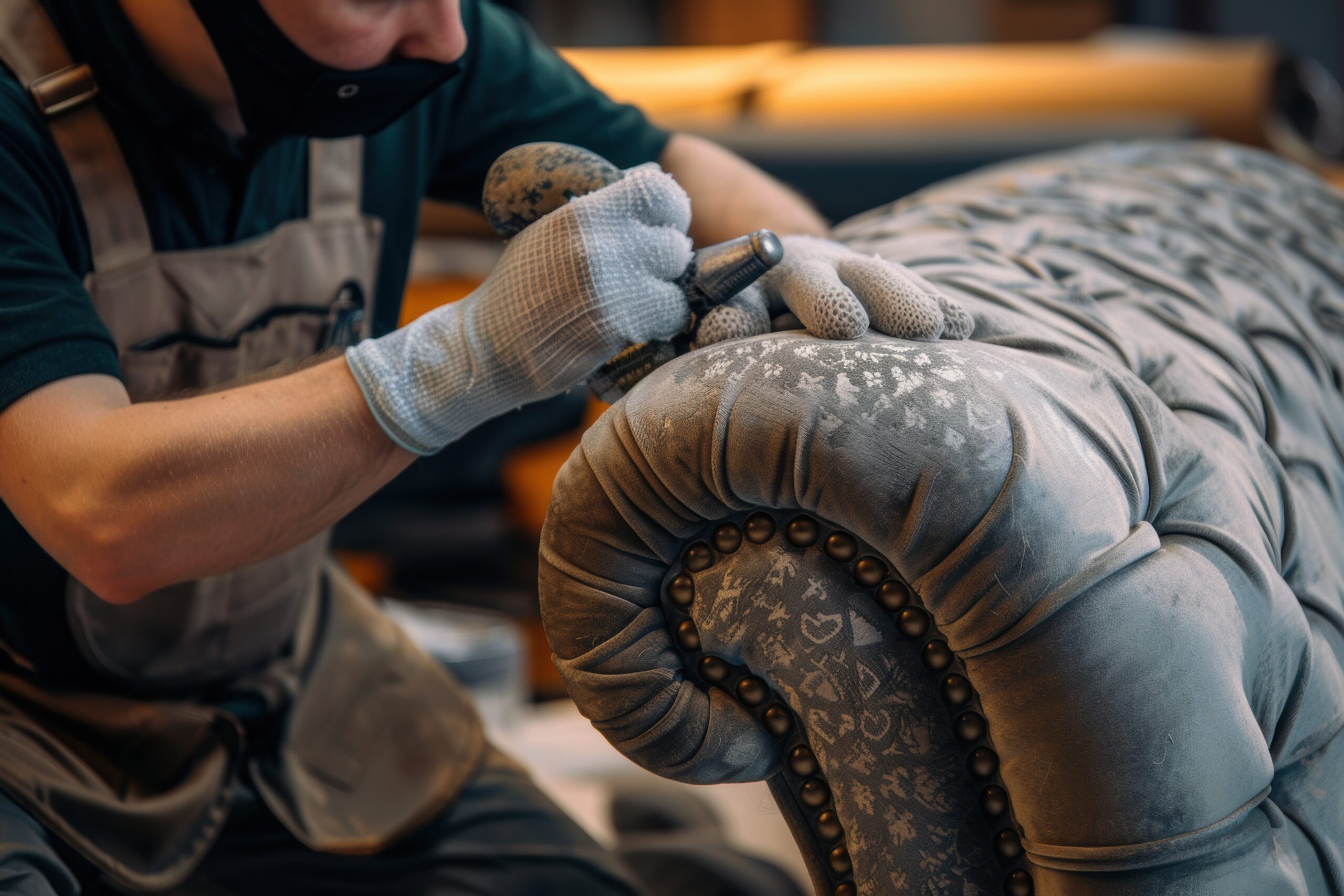
In humid climates, upholstery directly affects comfort. Fabrics such as cotton and linen allow better airflow, reducing heat retention and preventing the damp, heavy feeling associated with less breathable materials.
This is particularly important for sofas and seating used throughout the day. Within WTP Furniture’s sofa collection, breathable fabric choices help maintain long-term daily comfort and usability even in naturally ventilated homes.
Balancing Comfort with Maintenance
While breathable fabrics improve comfort, they may require more upkeep. Lighter materials can show wear more easily and may need regular cleaning to maintain their appearance.
This becomes especially relevant when selecting pieces for the bedroom, where comfort and cleanliness are equally important. When choosing furniture for a bedroom in Singapore homes, materials used in upholstered elements should prioritise airflow and ease of maintenance. Choosing breathable upholstery with removable covers helps keep furniture comfortable, easy to maintain, and fresh over time.
How to Choose the Right Furniture Materials for Your Home
Match Materials to Space, Usage, and Lifestyle
Choosing the right furniture materials begins with understanding how each space is used. High-traffic areas such as living rooms benefit from durable surfaces, while bedrooms prioritise comfort and softness.
In Singapore homes, furniture often serves multiple functions. A table may double as a workspace, and seating may be used throughout the day. Materials that can withstand repeated use without losing their form are essential for maintaining both practicality and visual consistency.
A simple approach can guide decisions:
- For busy households or frequently used living areas, prioritise engineered wood and treated finishes
- For natural depth and long-term character, consider solid wood with proper care
- For lighter, space-enhancing structures, incorporate metal elements selectively
Combine Materials for Balance and Longevity
A well-designed interior rarely relies on a single material. Combining wood, metal, and fabric allows each to offset the limitations of another, creating a more balanced and resilient result.
Finishing plays a key role in how materials perform. Sealed surfaces, protective coatings, and treated fabrics help extend durability in humid conditions. Keeping your home comfortable also helps your furniture last longer, and you can explore indoor humidity control tips to better manage moisture levels throughout your space, further protecting your furniture investment.
Conclusion
In Singapore’s humid climate, selecting the right furniture materials is essential for maintaining both form and function. Materials that respond well to moisture, daily use, and spatial constraints allow furniture to remain consistent without compromising on design.
By understanding the strengths and limitations of each material, homeowners can make more confident decisions that suit their lifestyle. At WTP Furniture, this approach is reflected in how materials are thoughtfully applied across tables, sofas, chairs, bed frames, and storage pieces to support real living conditions.
Explore WTP Furniture’s collections to find pieces designed with materials that suit both your space and Singapore’s climate.