Key Takeaways:
How can you choose the right interior design styles for your home in Singapore?
- Choosing the right style helps create a space that feels cohesive, functional, and suited to everyday living.
- Modern, minimalist, classic, and eclectic approaches each shape how furniture is selected and arranged.
- Space planning and proportion are key, especially in compact homes where layout affects comfort and flow.
- Furniture should balance aesthetics with practicality, ensuring long-term usability and flexibility.
Introduction
Every home begins with a vision, but bringing that vision to life requires clarity in style. In Singapore, where homes range from HDB flats to condominiums, the choice of design styles for your home directly affects how a space feels, functions, and flows. The right style does more than shape aesthetics. It guides how furniture is selected, arranged, and experienced in daily living.
For design-conscious homeowners and young couples furnishing their first home, understanding different interior design styles creates a clearer path to making confident decisions. Rather than following trends, it becomes about aligning layout, materials, and proportions with how the home is actually used. This is where a thoughtful approach to furniture selection becomes essential, especially when working with curated collections that prioritise both visual clarity and everyday usability.
What Defines Modern and Contemporary Living in Singapore Homes?
Clean lines create visual clarity in compact spaces
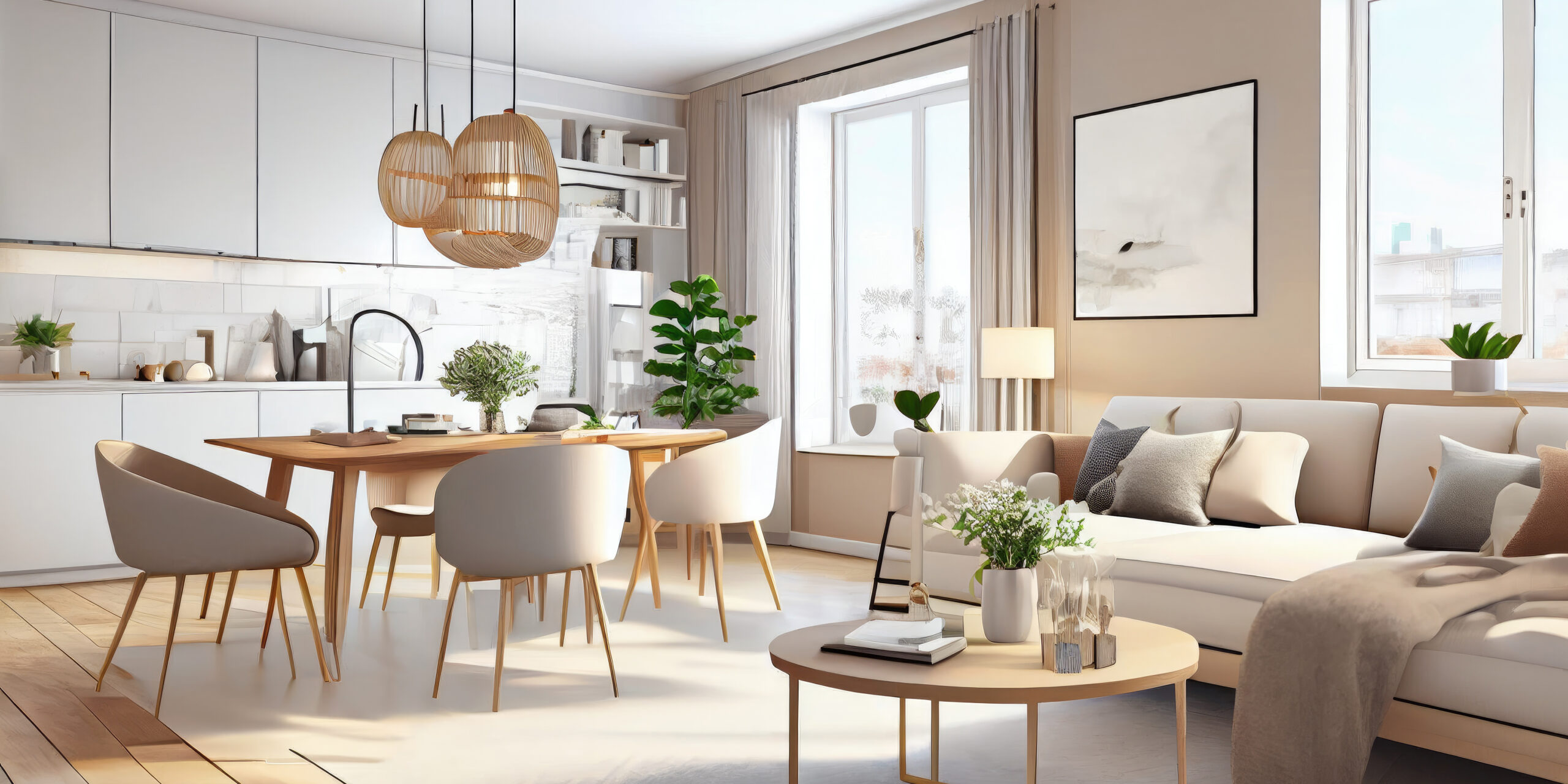
Modern and contemporary interiors are often the most natural starting point for Singapore homeowners. With apartments designed around efficiency, clean lines and uncluttered layouts help maximise both visual and physical space. Furniture in these settings is typically defined by slimmer profiles, lighter visual weight, and refined surface finishes that reflect light subtly rather than dominate the room.
A streamlined dining table or a low-profile sofa keeps the space feeling open while remaining functional. The emphasis is not on filling the room, but on selecting pieces that work cohesively together, allowing the overall styling of your home to achieve balance, intention, and ease of living, especially in open-plan layouts where living and dining areas blend seamlessly.
Neutral palettes support flexibility over time
Neutral palettes create a stable visual base within modern interiors. With tones that do not dominate the space, they make it easier to introduce or change accent pieces such as cushions, décor, or smaller furniture without disrupting the overall look. This allows the space to evolve gradually without requiring major changes to core pieces.
In Singapore homes, where needs and layouts may shift over time, this flexibility becomes especially practical. Instead of redesigning the entire space, adjustments can be made through smaller updates while maintaining consistency.
To support this, furniture is often selected for durability and versatility. Clean finishes, balanced proportions, and materials that age consistently help ensure that even as styling elements change, the space continues to feel cohesive.
Over time, some homeowners may naturally move towards a softer and more grounded atmosphere, layering in warmer tones and textures while still retaining the clarity established by the original design direction.
How Do Minimalist and Japandi Styles Create Calm Living Environments?
Purposeful design reduces visual noise
Minimalist and Japandi-inspired interiors are rooted in restraint. Every element in the space serves a purpose, with furniture selected not only for its appearance but also for how it contributes to daily use. This results in environments that feel calm, intentional, and uncluttered.
In Singapore homes where space can be limited, this approach becomes highly practical. A well-proportioned dining table with clean edges or storage-integrated pieces helps reduce excess while maintaining functionality. It leans towards a more modern, minimalist approach to space design, where keeping things simple enhances both the visual aesthetic and functional depth.
Natural materials introduce warmth without excess
While minimalism can sometimes feel stark, Japandi interiors introduce warmth through natural textures and subtle contrasts. Finishes tend to lean towards matte surfaces, soft wood tones, and tactile materials that add depth without overwhelming the space.
Furniture selections in this style often highlight craftsmanship and material quality. Rather than layering multiple decorative elements, a single well-designed piece becomes the focal point. This approach ensures the space feels composed while remaining highly functional.
At the same time, careful selection is needed to prevent spaces from feeling underfurnished. Pieces that combine visual lightness with functional depth help maintain balance. Fewer but more purposeful furniture choices also support easier maintenance, making daily upkeep more manageable over time.
Why Do Classic and Modern Classic Interiors Remain Relevant?
Balanced proportions create a sense of refinement
Classic and modern classic interiors offer distinct interpretations of sophistication. Instead of minimalism, these styles introduce structure through symmetry, detailing, and proportion. Furniture often features more defined silhouettes, subtle detailing, and slightly heavier visual presence while still maintaining balance within the space.
In Singapore homes, this approach works particularly well when applied with restraint. Carefully selected pieces can create a refined environment without overwhelming the layout, especially in apartments where space must still be respected.
Timeless furniture choices support long-term use
One of the key advantages of classic-inspired interiors is longevity. Rather than frequent updates, the focus is on selecting furniture that remains relevant over time. This aligns with practical buyers who value durability and long-term usability.
For those still exploring their preferences, renting furniture can help them experience different layouts before committing to permanent pieces. This allows homeowners to refine their direction while adapting to their space.
In smaller Singapore homes, moderation becomes essential. Selecting a few well-proportioned statement pieces instead of multiple decorative elements helps maintain clarity while still achieving a polished look.
For homeowners who prefer a more personal expression, blending elements from different styles can create a more layered, individual space.
How Do Eclectic and Transitional Styles Reflect Personal Expression?
Layering different elements creates depth
Eclectic and transitional interiors move away from strict rules, allowing homeowners to combine elements from different styles. The key lies in balance. While there is freedom in mixing textures and finishes, the overall composition still needs to feel cohesive.
In Singapore homes, this often translates into pairing clean-lined furniture with more expressive textures or accent pieces. These combinations bring together different styles in a way that still feels balanced and cohesive.
Thoughtful selection prevents visual clutter
While eclectic interiors encourage creativity, they still rely on careful curation. Without a unifying element, the space can feel fragmented rather than intentional. A consistent material tone, repeated colour palette, or dominant furniture silhouette helps anchor the design.
Choosing contemporary furniture that feels cohesive helps keep the overall look structured, even when different accents are introduced. This allows personality to come through while still maintaining comfort and usability.
Common Mistakes To Avoid When Choosing A Style
One common challenge is selecting furniture based solely on appearance, without considering scale. A piece may look appealing on its own, but if it is too large for the space, it can disrupt movement and make the layout feel cramped. On the other hand, filling a room with too many smaller pieces can create visual clutter, making the space feel busy rather than cohesive.
Another issue is mixing styles without a clear point of consistency. Bringing together different influences can work well, but without a shared element such as a consistent colour palette, material, or overall proportion, the space may feel disjointed instead of intentional.
It is also easy to prioritise aesthetics over daily functionality. Furniture should not only look good but also support how the space is used, whether that involves dining, relaxing, or accommodating guests. Pieces that are impractical or poorly suited to the layout can quickly affect comfort and usability over time.
Taking the time to consider how each piece fits within the overall layout helps prevent these issues. When furniture is chosen with both function and proportion in mind, the space is more likely to feel balanced, comfortable, and easy to live in.
How Can You Choose the Right Interior Style for Your Home?
Selecting among different interior design styles is more effective when guided by daily routines rather than by visual preference alone. A household that prioritises hosting may benefit from flexible layouts, while a quieter home may lean towards more minimalist arrangements.
Space planning remains a central consideration in Singapore homes. Ensuring sufficient circulation space, especially in smaller layouts, prevents overcrowding and supports smoother movement within the home. Furniture should fit the space, not the other way around.
It is also important to consider how the home may evolve over time. Choosing adaptable furniture and a flexible base style allows for adjustments without requiring a complete redesign.
Conclusion
Understanding interior design styles provides a clear starting point, but creating a well-balanced home depends on how these styles are applied through thoughtful furniture selection. In Singapore, where layout, space, and daily functionality shape the living experience, aligning design direction with practical needs ensures lasting comfort and cohesion.
Exploring curated selections, from living spaces to bedroom furniture, allows each design direction to come together naturally. With the right balance of scale, material, and layout, every home can reflect both personal style and everyday living in a way that feels considered and complete.
Visit WTP Furniture to explore pieces that help you shape a home that fits both your style and the way you live.