
Introduction
The living room is the heart of every home. It is where families gather after a long day, where guests are welcomed, where quiet mornings unfold, and where personal style often makes its strongest first impression. In Singapore, where homes range from compact apartments to larger landed residences, the living room must balance comfort, functionality, and visual clarity.
This is where a modern approach to living room furniture becomes especially important. It helps homeowners create a space that feels elegant without being excessive, practical without appearing plain, and personal without becoming cluttered. The right furniture can improve movement, support daily routines, and create a sense of calm that suits both private living and social gatherings.
For discerning Singapore homeowners, interior designers, stylists, property owners, landlords, corporate clients, and design-conscious online shoppers, furniture is no longer chosen solely for its appearance. Scale, material, craftsmanship, storage, flexibility, and long-term usability all matter. Furniture for a modern living room supports these priorities through clean forms, purposeful details, and pieces that contribute meaningfully to the overall home.
WTP Furniture brings this design sensibility into the Singapore home, building on a heritage that began with antiques and evolved into a lifestyle destination offering retail and online furniture services. Since 1992, WTP has built its identity around timeless appeal, responsible design, quality standards, and a carefully curated eye shaped by the Somjee family’s appreciation for memorable living spaces.
Key Takeaways:
- What makes a living room feel well-designed?
A well-designed living room feels comfortable, balanced, and easy to move through. The sofa, coffee table, storage, lighting, and accessories should work together so the space supports daily routines without feeling cluttered.
- Why is furniture choice especially important in Singapore homes?
Many Singapore homes need careful space planning because the living area often serves multiple purposes. Choosing the right pieces helps the room feel open, practical, and refined, even when floor space is limited.
- Which pieces are essential for a complete living room setup?
A sofa, coffee table, accent chair, ottoman, TV console, shelving, and storage pieces usually form the foundation. These items help support comfort, organisation, visual balance, and everyday use.
- How can a simple interior still feel personal?
Personality can come through texture, artwork, cushions, rugs, ceramics, books, and selected decorative pieces. The key is to add character intentionally rather than overcrowding every surface.
- Why should homeowners consider scale before buying furniture?
Scale affects comfort, movement, and proportion. A piece may look attractive on its own, but it still needs to suit the wall length, walkway space, ceiling height, and overall layout of the home.
Understanding Modern Living Room Design
2.1 What Defines Furniture for a Modern Living Room
Furniture in a modern living room is often recognised for its clean lines, balanced proportions, and purposeful design. Instead of relying on excessive ornamentation, it focuses on form, comfort, and function. Every piece should have a clear role, whether it provides seating, storage, surface space, or visual balance.
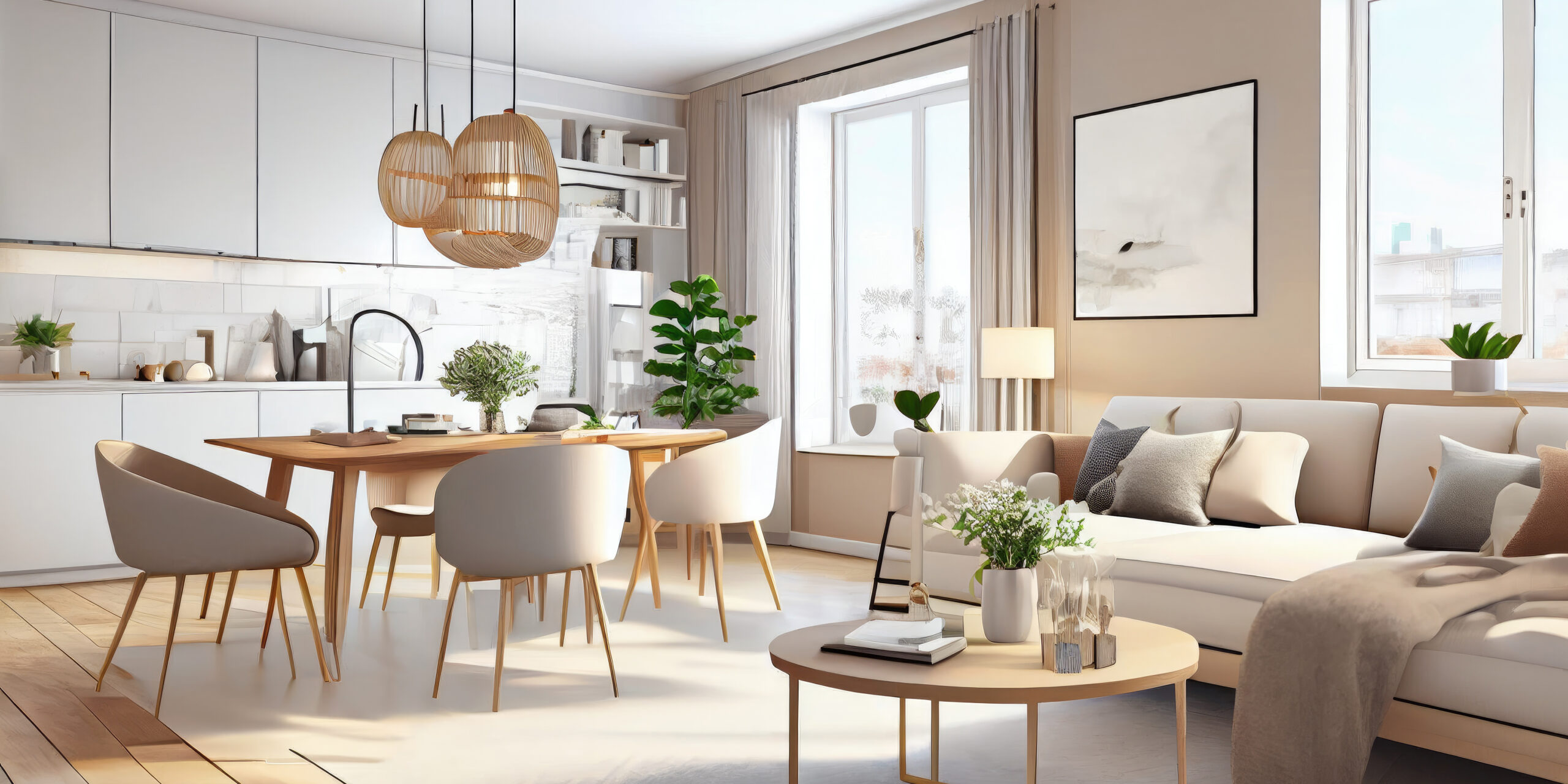
In a modern living room, furniture should contribute to openness and ease of movement. Sofas tend to have structured forms, coffee tables are often simple yet distinctive, and storage units are designed to reduce visible clutter. The overall look is calm, refined, and intentional.
Neutral colours are commonly used because they help create an open and restful atmosphere. White, beige, cream, grey, taupe, and black can serve as strong foundations, especially in Singapore homes where natural light, room size, and flooring choices affect the final mood. These tones also make it easier to refresh the room over time with new cushions, rugs, artwork, or accessories.
Materials are equally important. Wood adds warmth, metal introduces structure, stone brings quiet luxury, and natural fabrics soften the space. When these materials are combined carefully, furniture in a modern living room can feel sophisticated without appearing cold or impersonal.
2.2 How Is It Different from Contemporary Design
Modern design and contemporary design are often used interchangeably, but they are not exactly the same. Modern design is rooted in principles of simplicity, function, and clean forms, with strong links to mid-century design thinking. It tends to favour timeless silhouettes, uncluttered spaces, and furniture that remains relevant beyond short-term trends.
Contemporary design reflects what is current. It changes over time as materials, colour palettes, layouts, and lifestyles evolve. A contemporary living room may include curved sofas, bold feature lighting, mixed textures, or trending accent colours, depending on what feels fresh at the moment.
The strongest interiors often blend both approaches. In a modern living room, furniture provides the foundation through functional, well-proportioned pieces, while contemporary accents add freshness and personality. In Singapore, this balance works especially well because homes need to remain adaptable. A compact apartment may benefit from slim, raised-leg furniture, while a larger home may allow for generous modular seating and sculptural accent pieces.
The Core Furniture Pieces Every Modern Living Room Needs
3.1 What Type of Sofa Suits a Modern Living Room

The sofa is usually the centrepiece of the living room. It sets the tone for the entire space and affects how people gather, relax, and move around the room. For a modern home, the best sofa is one that looks refined while remaining comfortable enough for everyday use.
In a modern living room, furniture choices often include structured sofas with low profiles, clean edges, slim arms, and simple upholstery. Neutral fabrics such as beige, cream, grey, or soft brown provide a versatile base that pairs well with different rugs, cushions, and wall colours. These shades are especially useful for homeowners who want a lasting look rather than a trend-led statement.
The layout should guide the choice of sofa. A compact living room may need a compact 3-seater sofa with slimmer arms to preserve walkway space. A larger apartment may suit a sectional sofa, while a family home may benefit from modular seating that can be adapted for gatherings. Before you buy a sofa in Singapore, consider not only style and comfort, but also room size, lift access, cleaning needs, sunlight exposure, and how often the space is used.
For homes with unusual dimensions in Singapore, custom furniture can offer greater control over proportions, fabrics, firmness, and finishes. This is useful when standard sizes do not sit comfortably within the room or when the homeowner wants the sofa to align with a particular interior concept.
3.2 Which Coffee Table Complements the Space
A coffee table anchors the seating arrangement. It creates a central point, supports daily use, and completes the relationship between the sofa, rug, and surrounding chairs. While it may seem like a small item, the wrong coffee table can disrupt the entire flow of the living room.
For a modern living room, furniture should pair well with coffee tables that feel visually light yet practical. Marble, glass, solid wood, and mixed-material designs can all work well, depending on the room’s mood. A marble top may create a more refined look, while wood brings warmth and texture. Glass can help smaller spaces feel more open, although it may require more maintenance.
Shape is also important. Rectangular coffee tables suit longer sofas, while round or oval tables soften angular layouts and improve movement around tight spaces. In homes with children, curved edges may also feel more practical. For smaller Singapore apartments, coffee tables with hidden storage and nesting designs can help reduce clutter without compromising style.
The coffee table should be positioned at a comfortable distance from the sofa so people can reach it easily without obstructing movement. As a guide, it should feel connected to the seating area, not floating too far away or crowding the sofa.
3.3 How Do Accent Chairs and Ottomans Add Character
Accent chairs and ottomans bring flexibility and personality into the living room. They can introduce colour, texture, and shape, as well as additional seating, without requiring a major layout change. In a modern interior, these pieces should add interest while preserving the room’s overall calm.
A well-placed accent chair can create a reading corner, balance a sofa arrangement, or soften an empty area near a window. When choosing an armchair in Singapore, look at the scale first, as many living rooms need seating that feels comfortable without taking up too much floor space.
A chair that is too bulky may overwhelm a compact room, while a chair that is too small may look disconnected from the sofa. The most successful choice usually complements the main seating while offering a slightly different texture or silhouette.
Ottomans are equally useful. They can serve as footrests, casual seats, side tables, or soft visual breaks within a room. Some ottomans also include storage, making them practical for blankets, toys, magazines, or remote controls. When planning furniture for a modern living room, these smaller pieces help the space feel layered without becoming overcrowded.
A single bold colour, curved frame, woven texture, or sculptural form can be enough to create a focal point. The key is restraint. One distinctive accent often feels more refined than several competing pieces.
3.4 Why Is Smart Storage an Essential Element
Modern living rooms depend on good storage. Without it, even the most beautiful furniture can look messy once cables, books, toys, chargers, and everyday items begin to accumulate. Smart storage keeps the room functional while preserving the clean atmosphere associated with modern design.
A modern living room often needs furniture such as TV consoles, floating shelves, wall-mounted cabinets, sideboards, and modular storage units to keep the space organised. These pieces help conceal clutter while keeping essential items within reach. Floating TV consoles can make the floor feel more open, while built-in units create a seamless look for homeowners who want a more integrated finish.
For Singapore homes, storage should be planned around real habits. A household that watches television often may need cable management, media storage, and closed compartments. A family with young children may need lower cabinets for toys. A homeowner who enjoys books, ceramics, or travel pieces may prefer open shelving combined with concealed storage.
The best storage does not draw attention to itself. It quietly supports the room, allowing the sofa, coffee table, lighting, and accessories to feel more intentional.
Elevating the Aesthetic Through Design Details
4.1 How Do Colour and Material Choices Define the Mood?
Colour and material choices shape the atmosphere of a living room. A modern space usually begins with a calm foundation, then builds depth through texture, finish, and contrast. This approach works well in Singapore homes because it keeps the room feeling open while still allowing personality to show.
A modern living room often feels more cohesive when the furniture follows a neutral colour palette. Cream, beige, taupe, grey, and soft brown create a gentle backdrop that works with many flooring and wall finishes. These colours are also easier to live with over time, especially for homeowners who prefer a timeless rather than seasonal look.
Texture prevents a neutral room from feeling flat. Matte wood, polished metal, linen, boucle, leather, stone, ceramic, and woven fibres can all create depth. A linen sofa paired with a wooden coffee table, a stone tray, and a textured rug can feel layered without needing strong colour.
Accent colours should be used sparingly. Muted blue, olive, rust, charcoal, or terracotta can add warmth and character through cushions, artwork, vases, or throws. The palette should remain consistent so the space feels cohesive rather than busy. Homeowners who want to understand how different shades affect mood can also refer to broader guidance on colour psychology in interior design before finalising their palette.
4.2 What Role Does Lighting Play in Modern Living Spaces?
Lighting defines how a living room feels throughout the day. It affects warmth, comfort, scale, and mood. Even well-chosen furniture can feel flat if the lighting is too harsh, too dim, or poorly positioned.
Furniture in a modern living room is better appreciated when layered lighting brings out its shape, texture, and finish. Ambient lighting provides general brightness, task lighting supports reading or work zones, and accent lighting draws attention to art, shelves, textured walls, or furniture details. This layered approach gives homeowners more control over the room’s atmosphere.
Pendant lamps, slim floor lamps, recessed LEDs, wall sconces, and table lamps can all work in modern homes. Dimmable lighting is especially useful because the living room may need to shift from bright family use to a softer evening setting. In compact Singapore apartments, wall lights and slim lamps can provide atmosphere without taking up valuable floor space.
Lighting should also support proportion. A large sofa may need a floor lamp beside it to balance the visual weight, while a low coffee table may benefit from a pendant or ceiling feature above. The goal is not simply brightness, but harmony.
4.3 How Can Accessories Complement Modern Furniture?

Accessories should complete the living room, not compete with it. In a modern space, every decorative item should feel purposeful. This does not mean the room has to be bare. It means accessories should be selected with care and arranged with breathing room.
In a modern living room, furniture pairs well with sculptural vases, ceramics, books, trays, cushions, rugs, and minimal artwork. These items soften the furniture’s structure and help the room feel lived-in. Natural textures such as rattan, linen, clay, wood, and woven fibres can add warmth without disrupting the modern aesthetic.
Proportion matters. Small accessories can look lost on a large coffee table, while oversized pieces can overwhelm a narrow console. Medium-sized items often work well because they create a sense of presence without clutter. Grouping objects in odd numbers, varying heights, and leaving negative space can make styling feel more considered.
Personal pieces can also be included. A travel object, a framed photograph, an inherited item, or a handmade ceramic can add meaning. WTP’s heritage as a brand born from antiques and global decorative finds makes this approach especially relevant. A modern living room can still carry memory, craft, and individuality when these items are edited thoughtfully.
Styling Tips from Interior Experts
5.1 How Do You Create Balance in a Compact Living Room?
Compact living rooms require careful decisions. The goal is not to use the smallest furniture possible, but to choose pieces that fit the room’s scale and support comfortable movement. When everything is proportionate, the room feels larger and calmer.
Furniture with raised legs can make a modern living room look lighter because more of the floor remains visible. Sofas, armchairs, and consoles that sit slightly above the floor help the eye move through the space. Slim arms, open bases, and clean silhouettes can also reduce visual heaviness.
Walkways should remain clear. A coffee table that is too large, a sofa that blocks the balcony entrance, or shelves that project too far into the room can make a home feel cramped. In Singapore apartments, where the living room may connect directly to the dining area, balcony, or entryway, flow is especially important. Homeowners planning built-in storage, wall-mounted consoles, or other fixed fittings should also refer to relevant HDB renovation guidelines before making alterations to the space.
Mirrors, light-coloured rugs, floating shelves, and wall-mounted consoles can help visually expand the room. However, there is a limitation. A small room will not feel spacious if it is filled beyond its practical capacity. Editing is part of good design. Choosing fewer, better pieces often creates a more polished result.
5.2 How Can You Personalise a Modern Design Without Overcrowding It?
Personalisation should come through considered choices rather than excessive decoration. A modern living room can feel warm, expressive, and distinctive when the homeowner uses texture, material, artwork, and selected objects with restraint.
In a modern living room, furniture provides a clean foundation that allows personal elements to stand out. A neutral sofa may be paired with a textured rug, a sculptural side table, or a vintage-inspired cabinet. A simple console may hold a carefully chosen lamp, a ceramic bowl, and a small stack of books. These details reveal taste without overwhelming the room.
Personal items should be displayed selectively. Art, books, travel finds, and family objects can bring meaning, but too many items on every surface can weaken the design. One or two statement pieces per surface are usually enough.
This is where WTP’s design-led approach feels relevant. With roots in antiques, craftsmanship, and curated home pieces, the brand understands that memorable living spaces are not built through uniformity alone. A living room can feel modern while still reflecting the homeowner’s history, lifestyle, and sense of style.
5.3 Why Work With a Professional Stylist?
A professional stylist can help turn separate furniture choices into a complete living room. This is especially useful when the homeowner knows what they like but is unsure how to bring everything together. Scale, proportion, colour, material, and placement all affect the final result.
Furniture in a modern living room may look simple, but achieving balance takes care. A sofa may be beautiful on its own, but still too large for the wall. A coffee table may be stylish, but too low for the seating height. A rug may be attractive, but too small to anchor the room. A stylist can identify these issues before they become costly mistakes.
Professional guidance is also helpful for interior designers, landlords, corporate clients, and property owners who need consistency across furnished spaces. For temporary needs in Singapore, furniture rental may support show units, staging, corporate housing, or transitional living arrangements.
For homeowners browsing through an online furniture store in Singapore, styling support can also help connect digital selections with real room dimensions and practical use.
WTP Furniture’s retail, online, styling, and furniture expertise allow customers to approach furnishing with more clarity. Rather than simply filling a room, the aim is to curate pieces that suit the space, lifestyle, and desired atmosphere.
Frequently Asked Questions
What colours work best in a modern living room?
Modern living rooms usually work best with neutral and earthy tones such as white, beige, grey, taupe, cream, soft brown, and muted black. These colours create a calm foundation and allow key furniture pieces to stand out naturally. They also make the room easier to refresh over time because cushions, rugs, artwork, and accessories can be changed without replacing major furniture.
Accent colours can still be used, but they should be introduced with restraint. Muted shades such as olive green, navy blue, rust, terracotta, or dusty blue can add warmth and personality without overwhelming the space. The goal is to keep the palette consistent across walls, furniture, and accessories so the living room feels cohesive.
How can I make a small living room look larger?
A small living room can look larger when the furniture is proportionate, the layout is uncluttered, and the colour palette remains light. Choose slim-profile pieces, raised-leg sofas, wall-mounted consoles, and storage that keeps everyday items out of sight. These choices expose more floor area and help the room feel more open.
Mirrors can reflect light and add visual depth, while rugs can define the seating area without enclosing it. Avoid oversized sofas, bulky coffee tables, and too many freestanding cabinets. In compact Singapore homes, every piece should earn its place by supporting both function and flow.
Why invest in designer or custom furniture?
Designer and custom furniture can offer better durability, stronger proportions, and a more distinctive look than generic mass-produced pieces. Designer pieces often bring character through material, form, and craftsmanship, while custom pieces allow homeowners to adjust size, fabric, finish, and function according to the room.
This is particularly useful in Singapore, where layouts vary widely across apartments, condominiums, landed homes, rental units, and commercial spaces. Investing in well-made furniture can also reduce the need for frequent replacement, especially when the pieces are selected for both comfort and timeless appeal.
Conclusion
A well-designed modern living room combines simplicity, elegance, comfort, and thoughtful craftsmanship. It is not about filling the space with the most fashionable pieces, but about choosing furniture that supports real life while creating a refined and cohesive atmosphere.
For Singapore homeowners, furniture in a modern living room can achieve this balance through clean forms, practical function, quality materials, and flexible styling. From the sofa and coffee table to accent chairs, storage, lighting, and accessories, each element should contribute to comfort, movement, and visual harmony.
WTP Furniture brings a curated and quality-conscious perspective to this process, shaped by its beginnings as an antique store, its evolution into one of Singapore’s leading lifestyle stores, and the continued vision of Mimi Somjee and Naazli Somjee. For homeowners, designers, property owners, landlords, and design-conscious shoppers, WTP offers furniture and styling solutions that help create living rooms with warmth, character, and lasting appeal.
Explore refined selections at WTP Furniture to shape a living room that feels comfortable, personal, and beautifully considered for modern Singapore living.