
Introduction
Many Singapore homeowners know when a room does not feel quite right, even if they cannot immediately identify why. The sofa may feel too bulky for the layout, the dining table may sit awkwardly beside the kitchen, or several beautiful pieces may compete because their visual directions clash.
This is where a clear home aesthetic and thoughtful decorating direction can help you choose styles that feel more cohesive. They give you a practical way to understand what belongs in a space, what should be edited out, and how each piece should support the room’s character.
A clear style does not mean creating a showroom-like home with no personality. It simply helps you make more confident choices. For homeowners, landlords, interior designers, stylists, and design-conscious shoppers in Singapore, understanding how a home should feel before decorating makes it easier to choose furniture styles with greater intention.
WTP Furniture brings a natural perspective to this process. Established in 1992, WTP began as an antique store and has grown into a Singapore lifestyle and furniture destination with retail, online shopping, custom furniture, home styling, and furniture rental services. This heritage gives WTP a distinctive point of view: furniture should feel timeless, thoughtfully made, and suited to how people really live.
This guide looks at major decorating directions and how different pieces can help bring each aesthetic together.
Key Takeaways:
- How do home decorating styles help a home feel more cohesive?
Decorating gives every room a clearer visual direction, so colours, furniture shapes, finishes, fabrics, and decorative pieces feel connected rather than randomly chosen.
- Which home decorating styles work best for compact Singapore homes?
Decorating styles such as modern, minimalist, and Scandinavian usually work well in smaller flats and condominiums because they favour clean lines, lighter colours, and practical furniture proportions.
- Can I mix different decorating styles in one home?
They can be mixed when one style serves as the anchor, with the second used sparingly through art, rugs, cushions, lighting, or accent furniture.
- How should furniture guide my decorating style?
Large pieces such as the sofa, dining table, sideboard, and bed often set the tone first, while soft furnishings and décor refine the mood.
- How can WTP Furniture support a more considered home aesthetic?
WTP’s curated furniture, décor, upholstery, rental, and custom services allow homeowners, designers, landlords, and corporate clients to choose pieces that suit both the space and the intended look.
Why Home Decorating Styles Matter
A home can be filled with attractive furniture and still feel unsettled when there is no shared direction. One room may lean modern, another may feel rustic, and a third may be filled with décor that does not sit comfortably with the main furniture. A clearer sense of the home you want to create helps each decorating decision support the right style. Instead of asking whether an item looks good in isolation, you begin asking whether it supports the atmosphere, scale, and rhythm of the home.
This matters especially in Singapore, where many homes need to balance style with limited floor area, built-in storage, open-plan living, and daily family routines. A defined aesthetic allows you to make fewer but better decisions, which often leads to calmer, more functional interiors.
2.1 What a Decorating Style Does for a Home

A decorating style acts as a visual framework. It shapes your decisions around colour palettes, furniture profiles, material choices, decorative details, and spatial flow. Without this framework, it is easy to buy individual pieces that look appealing online or in a showroom, only to realise that they do not work together at home.
When your home has a clear decorating direction, it becomes easier to edit pieces that do not suit the overall style. A compact living room may not need more furniture, but it may need a clearer balance between the sofa, coffee table, carpet, and wall décor. A dining area may not need dramatic styling, but it may benefit from a table with the right proportions and chairs that support the overall mood.
This approach is useful for both homeowners and property owners. A family home may need warmth and durability, while a rental apartment or staged property may need broad visual appeal. In both cases, a clear style reduces guesswork.
2.2 How WTP Supports Style Consistency
WTP supports consistency by offering furniture and décor across connected categories, including sofas, dining tables, armchairs, consoles, sideboards, carpets, cushions, lighting, art, and decorative objects. This allows homeowners and designers to create a cohesive setting rather than sourcing isolated pieces from different places.
For shoppers who prefer to browse digitally first, WTP also functions as an online furniture store that Singapore customers can use to review categories and consider how different pieces may work together before visiting in person. This is useful when planning a whole-home refresh, a staged rental unit, or a single statement room.
Custom services add another layer of flexibility. With custom furniture options in Singapore, homeowners can tailor dimensions, fabrics, and finishes so the final piece suits both the chosen look and the practical realities of the home. WTP’s rental services also support landlords, expatriates, corporate housing clients, and homeowners who need short-term or long-term furnishing without committing to immediate ownership.
Popular Decorating Styles and Matching WTP Furniture
The most successful interiors usually begin with a clear anchor. This may be a sofa in the living room, a dining table in an open-plan apartment, or a sideboard that defines the tone of a hallway or dining area. From there, you can layer textiles, décor, art, and lighting to strengthen the overall look.
For a Singapore home, the most practical decorating approaches are usually the styles that balance visual appeal with everyday living needs.
3.1 Modern Minimalist Style
Modern minimalism uses clean lines, quiet colours, simple silhouettes, and open visual space. It suits homeowners who prefer calm interiors, low visual clutter, and furniture that feels elegant without being ornate. In smaller apartments, this style can make the home feel more spacious because each item has a clear function and a restrained profile.
The Angel 3-Seater Sofa works naturally in this setting. Its clean shape and balanced proportions can anchor a living room without overwhelming it. For a more compact space, a well-chosen 3 seater sofa often offers enough comfort for daily use while keeping the layout lighter than a larger sectional.
To complete the look, pair the sofa with a streamlined coffee table, a neutral carpet, and cushions in soft tonal shades. Wall décor should remain intentional, with one or two carefully selected artworks rather than a crowded gallery arrangement. For the modern minimalist home, decorating with restraint makes the style easier to maintain by encouraging thoughtful selection rather than excess.
3.2 Light and Cosy Scandinavian Style
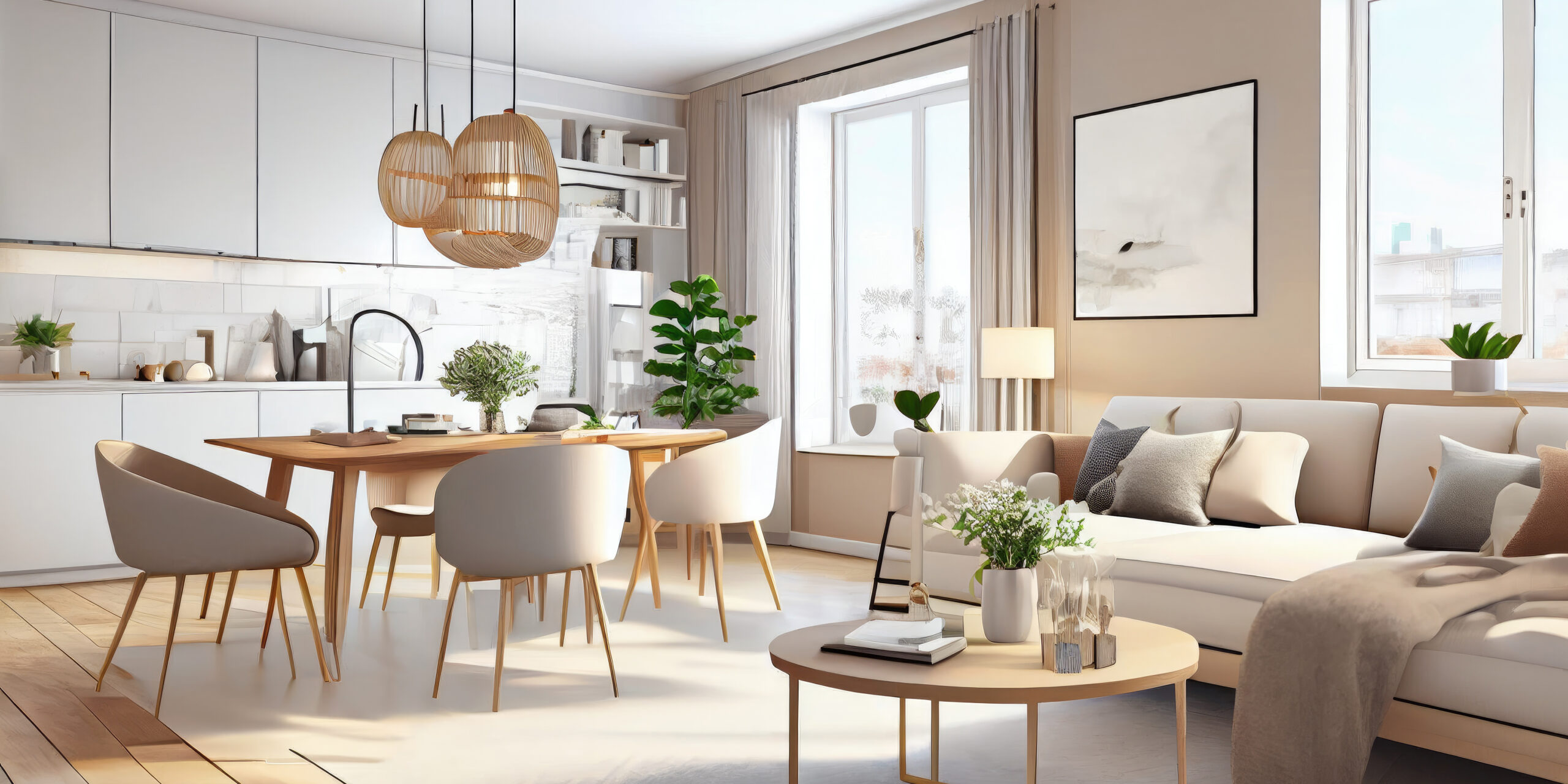
Scandinavian interiors are known for light wood tones, soft textures, practical comfort, and a gentle sense of warmth. This style works particularly well in Singapore homes that need to feel bright, calm, and welcoming without becoming too formal.
The Natuna Dining Table suits this look because its clean shape and lighter wood presence can create an airy dining area. For homeowners searching for a dining table that Singapore apartments can accommodate comfortably, proportion matters as much as style. A table should allow easy movement around the room while still giving family members and guests enough space to dine together.
A Scandinavian living area can be built with a neutral fabric sofa, textured carpet, pale wood storage, and simple décor. Cushions and throws can add softness without making the space feel heavy. For young families, couples, and homeowners who want comfort without clutter, Scandinavian decorating can give the home a warm yet practical style.
3.3 Industrial Loft-Inspired Style
Industrial interiors , defined by raw textures, exposed elements, and a strong urban character, bring in stronger lines, darker wood, and metal accents. This look can work well in loft apartments, larger condominiums, open-plan homes, and commercial-style spaces where the design can support bolder furniture.
The Berlin Dining Table can anchor an industrial dining area with its substantial presence and strong lines. It creates a grounded focal point, especially when paired with darker-toned chairs, metal accents, or sculptural lighting. A sideboard in a deeper finish can further strengthen the room without making it feel overly themed.
The key is balance. Industrial styling can become too heavy if every piece is dark or oversized. Softer upholstery, textured carpets, and carefully placed art can keep the space livable. In an industrial home, decorating works best when the style feels refined rather than unfinished.
3.4 Artistic Eclectic Style
Eclectic interiors are expressive, layered, and personal. They bring together different colours, textures, patterns, cultural references, and collected objects. This style suits homeowners who enjoy individuality and want their homes to feel curated over time rather than purchased all at once.
WTP’s heritage makes this direction especially natural, offering antiques, global decorative influences, and curated lifestyle pieces that support rooms with character and depth. A neutral sofa allows colourful carpets, patterned cushions, sculptural objects, and wall art to take centre stage without overwhelming the room.
Additionally, a carved wood sideboard, mixed dining chairs, or a distinctive armchair can add personality while still feeling intentional. In an eclectic home, decorating requires more restraint because this expressive style can feel busy when too many elements compete. A consistent colour thread, repeated material, or shared proportion helps hold the look together.
3.5 Transitional Style: Classic Warmth With Modern Ease
Transitional interiors sit between classic and contemporary design. They are not too ornate, not too stark, and often feel timeless because they combine clean lines with warmer materials and softer finishes. This style suits Singapore homeowners who want a refined home that will not feel dated quickly.
The Berlin Dining Table works well in transitional spaces because its medium wood tone and refined lines can sit comfortably with both modern and classic pieces. Upholstered dining chairs, fabric armchairs, and a coordinating console can soften the look and create continuity between rooms.
The Angel 3-Seater Sofa can also work in a transitional living room when upholstered in a neutral or textured fabric. Add a carpet with a subtle pattern, framed artwork, and a sideboard with quiet detail to complete the space. For a transitional home, decorating can feel especially flexible because this style allows homeowners to gradually evolve their rooms.
Choosing the Right Style for Your Space
A beautiful style still needs to work in real life. Before committing to any aesthetic, consider your floor plan, household routines, maintenance preferences, climate, and whether your furniture needs are permanent or temporary. The right style should make the home easier to live in, not harder to manage.
Every home should have a decorating direction that balances personal feeling with a style that works in daily life. A look that suits a large landed home may need to be adjusted for an HDB flat. A style that looks striking in an editorial shoot may not support children, pets, frequent guests, or humid tropical weather.
4.1 Matching Styles to Singapore Home Layouts

For small HDB flats, studio apartments, and compact condominiums, modern minimalist and Scandinavian home decorating styles usually provide the clearest benefits. Lighter colours, slimmer profiles, and simple furniture arrangements help preserve openness. A sofa with balanced proportions, a compact dining table, and storage pieces with clean lines can keep the home functional without visual heaviness.
Larger apartments, landed homes, and open-plan layouts can often support industrial, eclectic, or transitional interiors because there is more room for stronger furniture and richer layering. These home decorating styles allow a substantial dining table, a bolder armchair, or a statement carpet to work beautifully when there is enough space around them.
Unusual layouts may require more tailored solutions. A narrow dining area, curved wall, awkward alcove, or compact study corner may not work with standard furniture dimensions. In these situations, WTP’s custom options can help homeowners create pieces that fit the home rather than forcing the home to fit the furniture.
4.2 Considering Lifestyle Needs
Lifestyle should guide the final choice. A homeowner who hosts often may need a generous sofa, flexible seating, and a dining area that feels comfortable for guests. Spacious sofa arrangements such as an L-shaped sofa can support relaxed entertaining while still keeping the room visually coherent.
Families may prefer solid wood dining tables, such as the Natuna or Berlin, because they offer durability and natural warmth. These pieces can support daily meals, festive gatherings, work-from-home moments, and children’s activities when chosen in the right size and finish.
Creative homeowners may enjoy a more eclectic approach, using carpets, cushions, art, and décor to introduce personality. Landlords and corporate clients may have different priorities, such as durability, broad appeal, and efficient furnishing. In these cases, furniture rental solutions in Singapore can help create a complete, polished environment without requiring permanent ownership from the outset.
4.3 Factoring in Singapore’s Climate and Material Suitability
Singapore’s humidity should influence furniture choices. Solid wood, quality upholstery, breathable fabrics, and well-made construction matter because furniture needs to remain comfortable and reliable in a tropical climate. Lower-grade materials may look acceptable at first, but they may not offer the same long-term stability or tactile quality.
Lighter colours, airy fabrics, and natural textures can also make interiors feel cooler and more comfortable. This is especially useful in rooms that receive strong daylight or have limited ventilation. Carpets, curtains, and cushions should be selected for both softness and practicality, so the room feels layered without becoming difficult to maintain.
This is where a quality-conscious approach becomes important. Choosing fewer, better pieces can often create a more refined home than filling every corner quickly. When selecting home decorating styles for Singapore interiors, material suitability should be part of the decision, not just the visual look. Placing emphasis on timeless appeal and carefully considered pieces supports a slower, more deliberate approach to furnishing.
Frequently Asked Questions
How Do I Know Which Decorating Style Suits My Home?
Start with the room’s size, natural light, existing finishes, and how you use the space each day. A small apartment with limited light may suit modern minimalist or Scandinavian styling, while a larger open-plan home may support transitional, industrial, or eclectic elements. Your preferred mood also matters. Some homeowners want calm and simplicity, while others want a richer, more expressive interior.
Can WTP Recommend Furniture Pieces That Match Each Decorating Style?
Yes. WTP’s team can help connect your preferred aesthetic with suitable furniture, upholstery, and décor. WTP’s wide range of sofas, dining tables, armchairs, sideboards, carpets, art, and decorative accessories allows different interiors to be styled with greater flexibility. Minimalist homes may benefit from cleaner silhouettes and neutral upholstery, while warmer, more expressive spaces can be supported through textured fabrics, richer wood tones, layered carpets, and distinctive décor pieces.
What If I Like Elements From More Than One Decorating Style?
Mixing styles can work well when the balance is controlled. Use one main style as the foundation, then add a smaller percentage of a second style through accent pieces. For example, a minimalist living room can include eclectic cushions, a patterned carpet, or expressive artwork while still keeping the main furniture clean and restrained.
Can WTP Help Me Achieve A Transitional Modern-Meets-Classic Look?
Yes. Transitional interiors benefit from pieces with timeless silhouettes, refined finishes, and comfortable textures. A transitional space can come together through clean-lined seating, warm wood tones, upholstered accents, a subtle carpet, and a coordinating sideboard. WTP’s wider range of furniture and décor makes it easier to balance modern simplicity with classic warmth without relying on a single fixed product combination. The result feels polished without becoming too formal.
Is Furniture Rental Suitable For Property Owners Or Corporate Clients?
Furniture rental can be useful for landlords, serviced apartments, expatriate housing, corporate stays, staging, and temporary accommodation. It allows a property to feel complete and livable without requiring every piece to be purchased upfront. This can be especially practical when the furnishing needs are time-bound or when flexibility is important.
Conclusion
Choosing the right decorating style allows your home to feel cohesive, comfortable, and personal, especially when every square metre needs to work carefully. Instead of buying furniture piece by piece without a clear direction, you can use a defined aesthetic to guide the sofa, dining table, storage, soft furnishings, art, and décor.
Explore WTP’s collections online or visit the showroom to experience the pieces in person. For a more personalised home, speak with the team about furniture, upholstery, styling, or custom-made pieces that bring your design vision to life in a space that feels beautifully and genuinely yours.