Key Takeaways:
How can mixing interior design styles help modern and vintage pieces work together?
- Choose one dominant style first, then use the other as an accent to keep the room visually clear.
- Use a consistent colour palette so modern lines and vintage details feel connected.
- Let furniture bridge different eras through matching proportions, materials, finishes, or tones.
- Use lighting, artwork, rugs, and accessories to add personality without overcrowding the room.
- Repeat colours, textures, or motifs across the space to make the overall design feel cohesive.
- WTP Furniture can support mixed-style interiors through furniture, curtains, artwork, rugs, and in-house interior styling advice.
Introduction
A truly beautiful home rarely looks as though it came from one showroom, one decade, or one strict design rulebook. It feels collected over time.
A clean-lined sofa may sit beside a carved timber cabinet. A modern dining table may be softened by an antique mirror. A vintage armchair may look fresh again when placed against a simple, neutral wall.
That is the appeal of mixing interior design styles. It gives a home character without making it feel dated, and polish without making it feel impersonal. The challenge is knowing where to stop. Too many vintage pieces can make a space feel heavy, while too many modern pieces can make it feel flat or overly restrained.
In Singapore homes, where every corner often has to work harder, this balance matters even more. A mixed-style room should still feel breathable, functional, and easy to live in. The goal is not to display everything beautiful at once, but to create a home where old and new sit comfortably together.
Begin with a Clear Foundation
Before bringing different eras into the same room, decide which style will lead. This foundation gives the room discipline, especially when mixing interior design styles in compact apartments, condominiums, or open-plan landed homes.
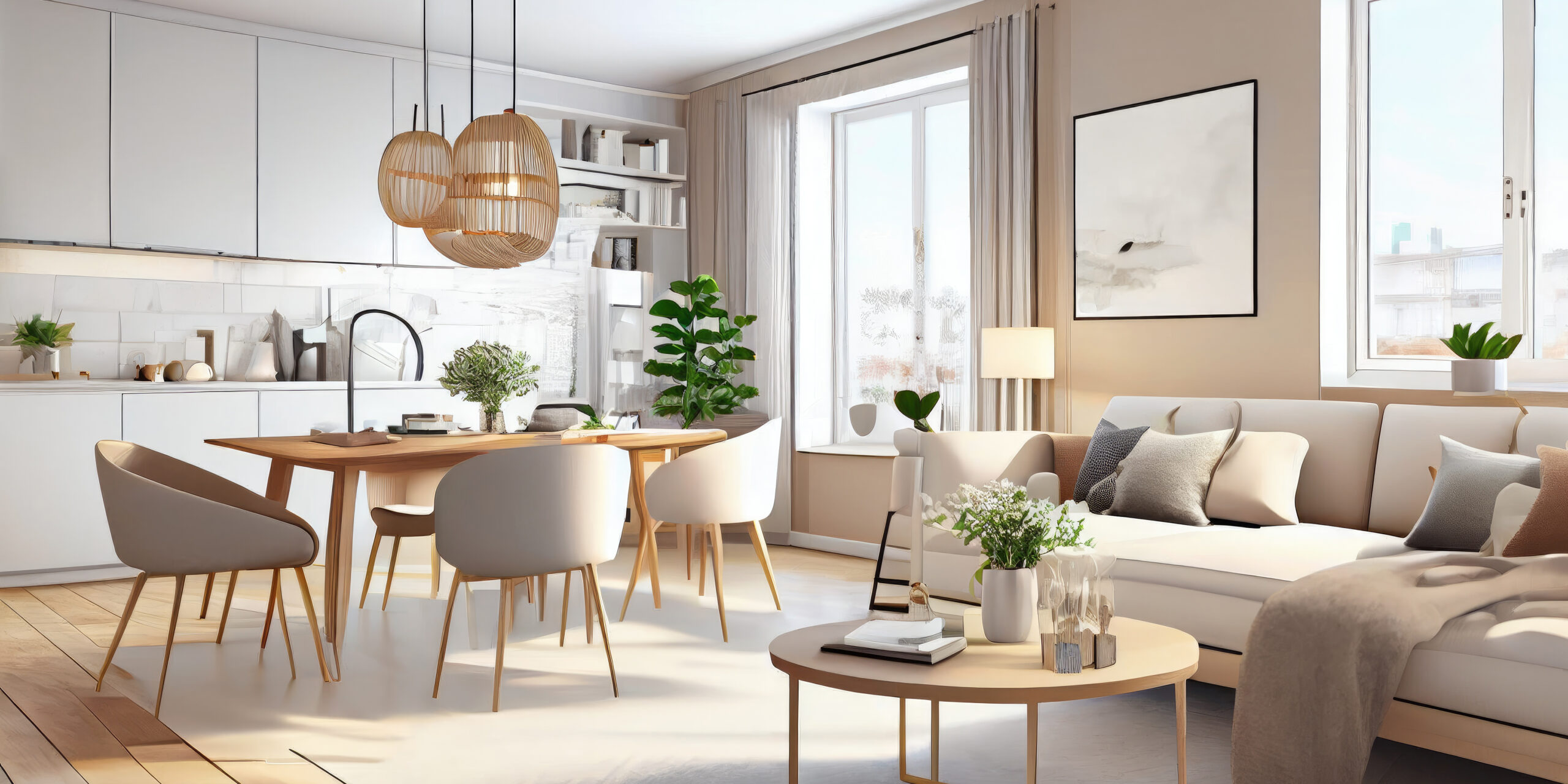
A modern foundation usually works well for homeowners who prefer clean walls, practical layouts, and furniture with slimmer profiles. In this setting, vintage pieces can become focal points rather than visual noise. For example, a contemporary living room with pale walls and a low-profile sofa can comfortably hold a vintage sideboard, brass floor lamp, or framed heirloom artwork.
A vintage foundation creates a warmer, more storied mood. This may suit homes with darker timber, patterned rugs, textured upholstery, or collected décor. Modern elements then help sharpen the room. A streamlined coffee table, simple shelving, or plain linen curtains can prevent the space from feeling too ornate.
Large surfaces should usually belong to the dominant style. Think flooring, wall colour, built-in cabinetry, and major furniture shapes. Smaller pieces can then introduce contrast. This makes modern vintage interior design feel curated instead of accidental.
Balance Shapes, Colours, and Textures
Modern and vintage furniture often speak different visual languages. Modern design tends to favour straight lines, open space, and restraint. Vintage design often brings curves, carved details, patina, and richer materials. The room becomes interesting when these qualities are balanced, rather than forced to match.
Shape is a good starting point. If your sofa, console, and dining table are all angular, a round vintage mirror or curved armchair can soften the room. If the space already has many decorative silhouettes, a simple modern table or plain upholstered bench can calm the arrangement.
Colour keeps the contrast from becoming overwhelming. A unified palette allows different styles to sit together naturally. This does not mean everything must be beige or white. A room can carry olive, rust, walnut, cream, black, or muted blue, as long as the colours repeat with intention.
Texture adds another layer. Polished metal, smooth stone, rattan, linen, leather, glass, and aged wood each affect how the room feels. A sleek marble-topped table beside a cane-backed vintage chair can look elegant because the materials contrast in a controlled way. A dark leather armchair beside a light boucle sofa can also work if both tones appear elsewhere in the room.
If one area already has a strong pattern, keep nearby pieces quieter. If a room feels too plain, introduce texture in the form of a rug, woven basket, or timber frame before adding more colour. A
Use Furniture as the Bridge Between Eras
Furniture carries the strongest visual weight in a room, so it should do more than fill space. It should create a conversation between periods, materials, and functions.
A contemporary sofa can sit beautifully with a mid-century coffee table because both usually share a sense of proportion. A vintage armchair can work beside sleek cabinetry if the height, colour, or upholstery connects it to the rest of the room. A modern bedframe can feel warmer with antique-style bedside tables, especially when the lamps, bedding, or artwork repeat similar tones.
Matching sets can sometimes make a room feel too rigid. Mixed furniture often feels more personal because it suggests that the home has evolved. Still, proportion matters. A bulky vintage cabinet may overpower a narrow living room. A delicate antique chair may look lost beside a deep modular sofa. Before buying, measure the piece and consider how much visual space it occupies, not only its physical footprint.
For homeowners comparing custom furniture options in Singapore, this is where bespoke sizing, fabric choice, and finish selection can be useful. A piece does not have to copy a vintage design to complement it. Sometimes, a made-to-fit modern cabinet in a warm timber finish is enough to connect older pieces with the architecture of the home.
WTP Furniture can support this process by helping homeowners look beyond individual pieces and consider the whole room together. Furniture proportions, curtain fabrics, rugs, artwork, and decorative finishes all affect how modern and vintage elements sit beside one another. With in-house home styling, homeowners can refine the balance between clean contemporary forms and more characterful details, so the finished space feels layered rather than mismatched.
Add Personality Through Accessories and Lighting
Accessories and lighting are the easiest way to blend old-world detail with modern simplicity. They are also easier to change than sofas, tables, or built-ins, which makes them ideal for experimenting.
Lighting sets the tone quickly. A vintage-inspired table lamp can warm up a modern console. A simple pendant light can keep an antique dining set from feeling too formal. Wall sconces, picture lights, and floor lamps also help create depth, especially in homes where ceiling lighting alone can feel harsh in the evening.
Accessories should not be treated as afterthoughts. Art, books, ceramics, trays, cushions, and objects collected during travel can make a room feel lived in, but the key is to group them with restraint. Three meaningful objects on a sideboard often look better than ten unrelated pieces competing for attention.
Metal finishes can be mixed, but they need some connection. Brass can sit with black metal if both appear more than once. Chrome can work with aged bronze when the surrounding palette is quiet. A good rule is to keep one finish dominant and let the other appear as an accent.
In bedrooms, softer accessories can help the old and the new blend gently. When browsing bedroom furniture in Singapore, consider how bedside tables, wardrobes, bedframes, and lamps will work with existing rugs, artwork, or inherited pieces. A bedroom should feel layered, but it should still feel calm enough for winding down and rest.
Keep It Cohesive with Repetition
Repetition is what makes a mixed-style room feel intentional. Without it, even beautiful pieces may look as though they are waiting to be moved elsewhere.
Repeat a material across the room. If you have a vintage walnut cabinet, bring in a walnut picture frame, chair leg, or tray. If your modern sofa has black legs, echo black through a lamp base, artwork frame, or cabinet handle. These small links guide the eye and make contrast feel deliberate.
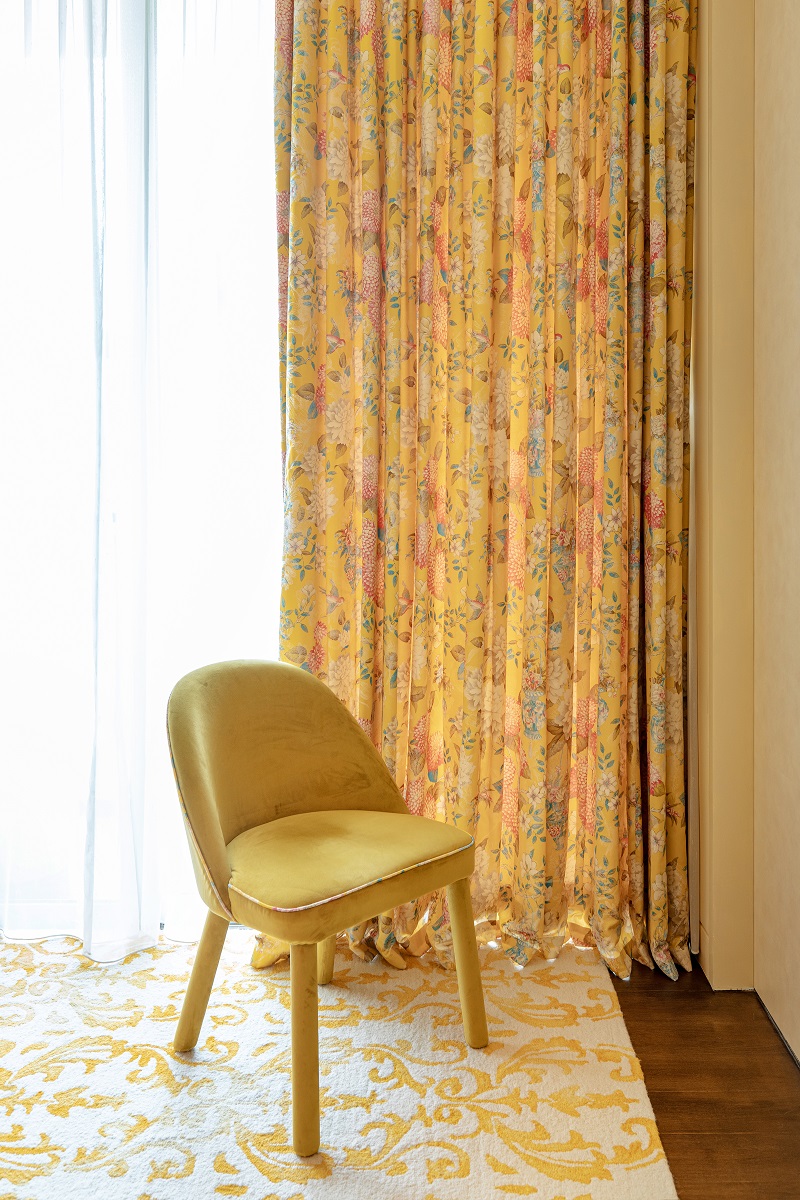
Colour repetition works the same way. A terracotta cushion can pair well with a vintage rug. A cream lampshade can connect with curtains or upholstery. A muted green artwork can pick up the tone of a plant, vase, or occasional chair. The repetition does not need to be obvious. In fact, subtlety often looks more refined.
Motifs can also create flow. Curved forms, fluted details, woven textures, or slim metal lines may appear in different parts of the room. This gives the space rhythm without making it look overly coordinated.
When mixing interior design styles, editing is as important as adding. If a piece does not connect through colour, material, shape, scale, or sentiment, it may belong in another room. A home should have personality, but each room still needs a clear visual hierarchy.
The strongest mixed-style interiors often feel relaxed because the decisions behind them are precise. They combine timeless furniture pieces, practical layouts, and personal objects in a way that supports daily living without overdesigning the room.
Ready to blend modern and vintage in your own home? Explore the WTP Furniture’s furniture collection, curtains, rugs, artwork, custom furniture options, and home styling support to create a mixed-style interior that feels balanced, personal, and easy to live in.